


By Adebola Muili
At a time when Nigeria is intensifying efforts to diversify its economy, reduce dependence on oil and expand its non-oil export base, the Ogun I Area Command of the Nigeria Customs Service (NCS), under the leadership of Deputy Comptroller Olukayode Afeni, is demonstrating how border operations can contribute to the country’s economic transformation.
The Command recorded 10,110 metric tonnes of exports with a Free On Board (FOB) value of ₦2.594 billion, a performance that highlights its growing role not only as an enforcement formation but also as a facilitator of legitimate trade and economic diversification.
Afeni, the Acting Customs Area Controller of the Command, disclosed the figure during a media briefing at the Command Headquarters, Idiroko, Ogun State, on Thursday, August 13, 2026.
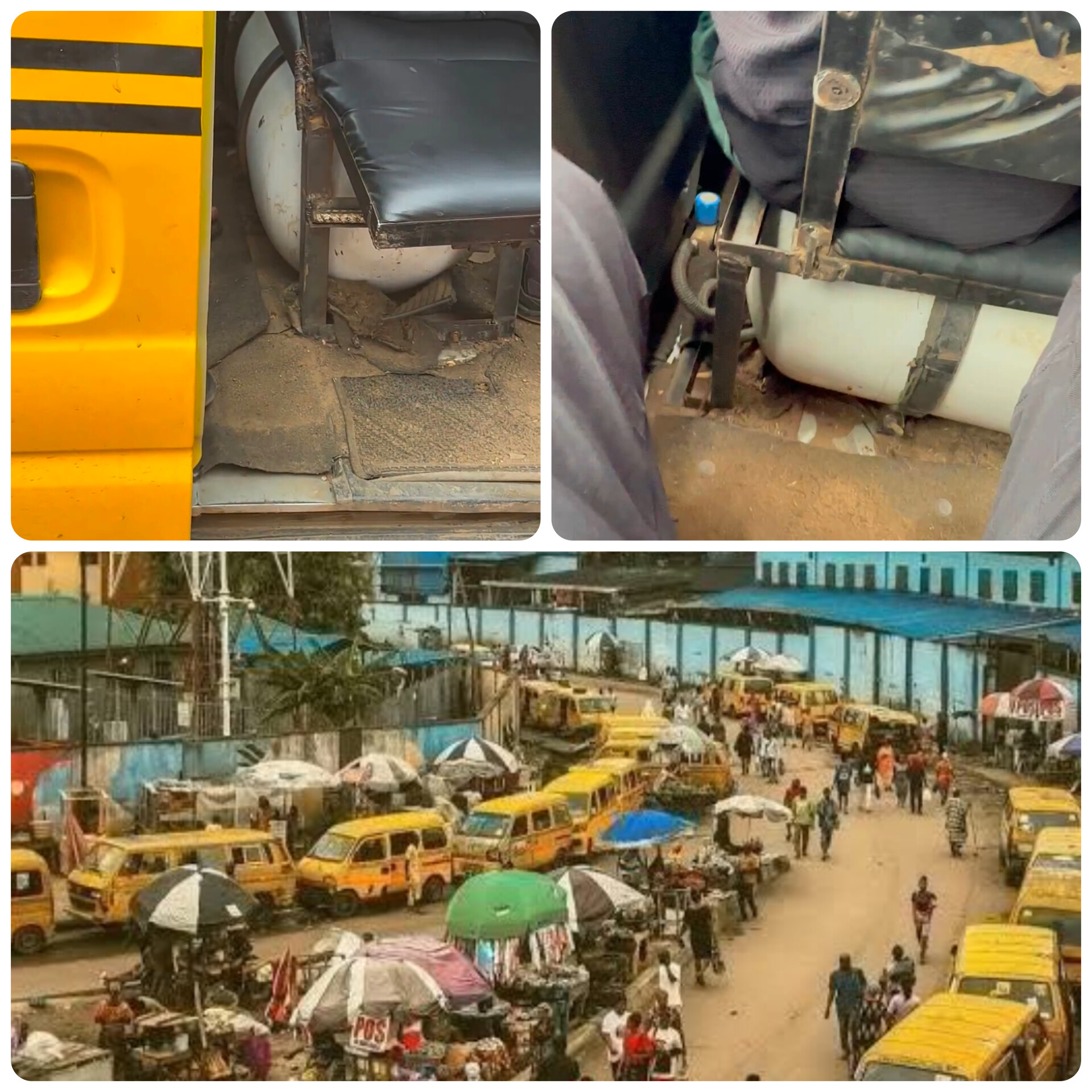
According to him, the major commodities driving the export performance included white talc, crushed thermal coal and Compressed Natural Gas (CNG), underscoring the range of Nigerian products being moved into the international market through the Command.
The development comes against the backdrop of the Federal Government’s renewed drive to promote non-oil exports, stimulate domestic production, create employment and strengthen Nigeria’s foreign exchange earnings.
From Enforcement to Trade Facilitation
For many Nigerians, Customs is largely associated with seizures, anti-smuggling operations and revenue collection. But the activities of Ogun I Command present another important dimension of the agency’s mandate — facilitating legitimate trade.
Operating along a strategic border corridor, the Command has the responsibility of maintaining vigilance against economic saboteurs while ensuring that legitimate businesses are not unnecessarily hindered.
It is a balance that requires efficient Customs processes, intelligence-driven enforcement and an understanding of the needs of businesses involved in international trade.
The 10,110 metric tonnes of exports recorded by Ogun I therefore represent more than a volume figure. They point to the movement of commercially valuable Nigerian products into the global marketplace and the economic activities generated around their production, transportation and export.
Afeni’s leadership has sought to maintain this balance, with the Command continuing its aggressive campaign against smuggling while facilitating the movement of legitimate exports.
Giving Non-Oil Exports Greater Visibility
The commodities recorded by the Command also provide an insight into the opportunities available beyond crude oil.
White talc, crushed thermal coal and CNG are among the products with commercial value that can contribute to Nigeria’s export earnings when properly developed and channelled into international markets.
Their presence in the Command’s export statistics reinforces the need for Nigeria’s diversification drive to move beyond policy pronouncements to the actual production, processing and export of locally sourced goods.
Every legitimate export processed represents potential benefits for producers, transporters, logistics operators, workers and other businesses connected to the value chain.
This is where Customs’ trade facilitation mandate becomes particularly important.
Efficient border and export procedures can reduce delays, improve predictability for businesses and encourage more traders to participate in formal international commerce.
A New Measure of Customs Performance
The development also reflects the changing expectations of Customs administration.
Beyond revenue generation and seizures, modern Customs formations are increasingly expected to support legitimate trade, promote compliance and contribute to the wider economic objectives of government.
Afeni captured this broader responsibility when he said: “The Nigeria Customs Service is not just a revenue-generating agency; we are the frontline shield protecting our domestic economy.”
That role places Customs at the intersection of security, revenue, trade and economic development.
In Ogun I, the enforcement of the nation’s trade laws and the facilitation of legitimate exports are taking place within the same operational environment.
The Command’s performance suggests that the two responsibilities can work together.
Strong enforcement against smuggling helps create a more level playing field for legitimate businesses, while efficient processing can encourage exporters to remain within the formal system.
Translating Government Policy Into Action
The Federal Government’s economic diversification agenda ultimately depends on implementation across sectors and institutions.
Policies on non-oil exports, domestic production and economic expansion can only produce meaningful results when businesses are able to manufacture, process, transport and export their products efficiently.
This places Customs formations such as Ogun I in an important position.
The ₦2.594 billion FOB value recorded by the Command is therefore not merely a statistic. It represents actual economic activity within the non-oil export chain.
It also demonstrates the potential of strategic border commands to contribute to national economic objectives while carrying out their core responsibilities of border protection and revenue collection.
Sustaining the Momentum
The immediate challenge is how to sustain and expand the momentum.
More Nigerian businesses need to be encouraged to explore legitimate export opportunities, while Customs processes must continue to evolve in ways that support compliant traders without weakening enforcement.
For Ogun I Command, the latest figures provide a platform upon which greater export facilitation can be built.
As Nigeria searches for sustainable sources of growth, foreign exchange and employment, the role of institutions at the intersection of trade and border management will become increasingly important.
The experience of Ogun I under Afeni suggests that Customs can be both a shield against economic sabotage and an enabler of legitimate commerce.
Its record of 10,110 metric tonnes of exports, valued at ₦2.594 billion, offers a practical example of how effective border administration can support the broader national ambition of building a more diversified, productive and resilient Nigerian economy.
Discover more from SAFARI XPRESS NEWS
Subscribe to get the latest posts sent to your email.







Leave a Reply