

By Adebola Muili
The Federal Government has disclosed that about 350,000 electricity meters were deployed in the last three months as part of efforts to improve billing transparency, strengthen revenue collection and attract fresh investment into Nigeria’s power sector.
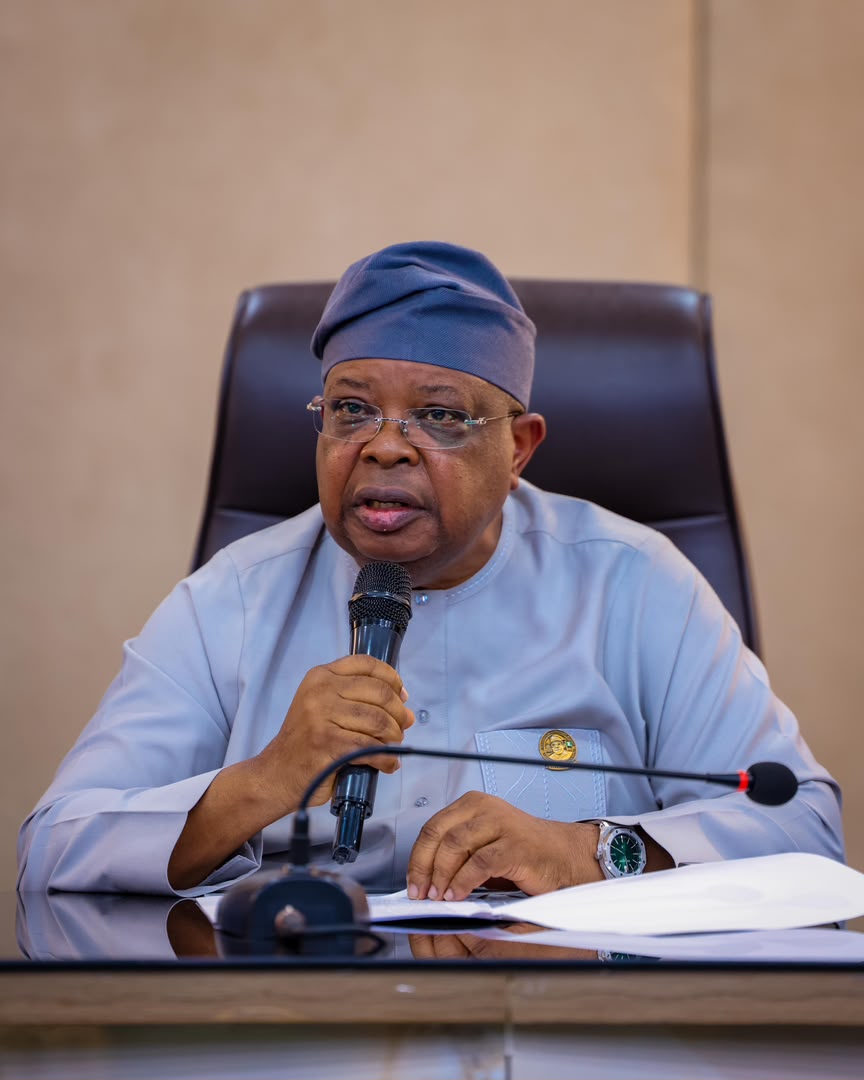
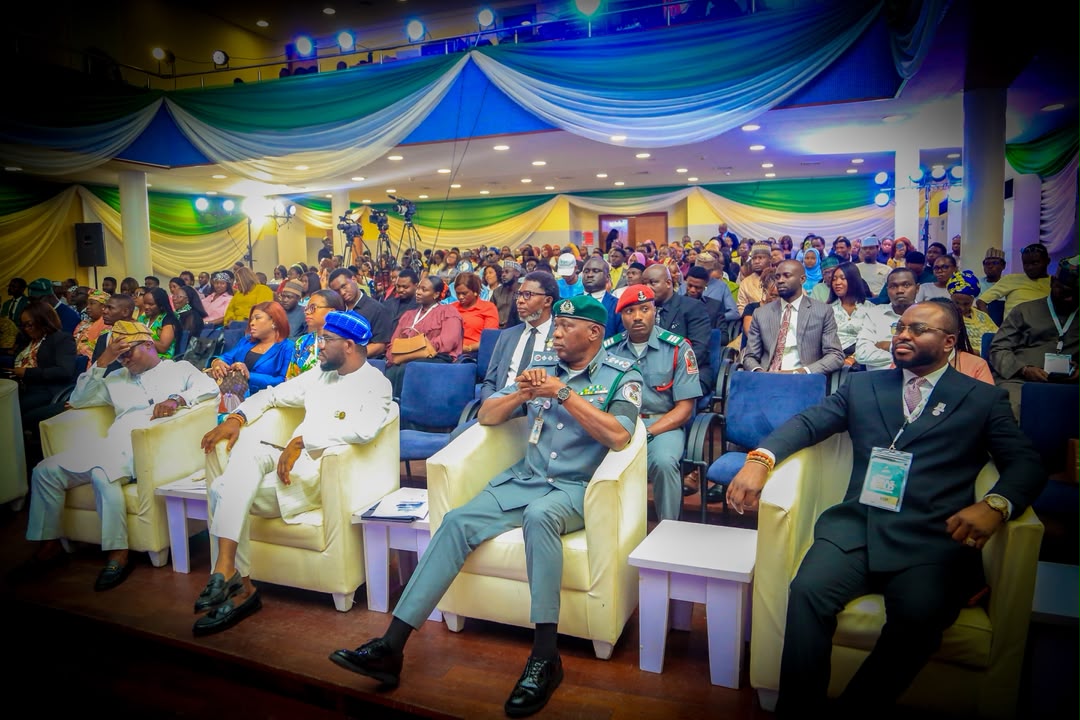
The Minister of Power, Joseph Tegbe, disclosed this in remarks delivered on his behalf by the Ministry’s Acting Director of Press, Clement Ezeorah, at the NAEC Energy Conference 2026 in Lagos. The statement was made available to journalists on Friday, October 9, 2026.
Tegbe said accelerated metering and improved gas supply were central to the government’s efforts to ensure that investments in the power sector translated into reliable electricity for consumers and sustainable returns for investors.
He stressed that the value of energy infrastructure should be measured by its ability to deliver electricity to paying customers, warning that investments in additional generation capacity would yield little benefit if the underlying challenges involved fuel supply, generation equipment, transmission, distribution or payment.
According to him, interventions in the sector must address the specific constraints preventing electricity from reaching consumers rather than committing more capital to areas that may not improve service delivery.
The minister’s position was presented at the conference, organised by the Association of Energy Correspondents of Nigeria (NAEC), with the theme, “Access to Assets: Empowering Players and Driving Growth.”
During a panel discussion, the minister’s representative said the government was working to improve accountability across the electricity value chain by tracking gas supplied to generating plants, electricity transmitted through the grid and payments made within the market.
He explained that the approach was intended to reduce Aggregate Technical, Commercial and Collection (ATC&C) losses, which continue to undermine the financial sustainability of electricity distribution companies and the wider power market.
The representative acknowledged that poor collection efficiency and liquidity shortages remained major challenges, adding that some outstanding debts in the sector dated back to the 2013 privatisation of the electricity industry.
He said the government was working towards resolving the outstanding financial issues while introducing a performance dashboard to enable stakeholders to monitor service delivery and assess progress across the sector.
On investment opportunities, Tegbe urged prospective investors to look beyond individual power assets and consider the wider economic benefits of reliable electricity, particularly for manufacturing, logistics, agro-processing and other productive activities.
He identified the rehabilitation of existing generating plants, improved gas supply, modernisation of distribution infrastructure and expansion of decentralised energy systems as areas offering opportunities for private-sector participation.
According to him, investors could support the restoration of dependable electricity generation through plant rehabilitation and reliable gas supply, while developers could establish dedicated power arrangements for industrial estates, ports and agro-processing clusters with credible customers.
He also highlighted opportunities in the modernisation of distribution networks through investments in feeders, transformers, substations and metering infrastructure.
The minister called on gas producers to partner with power developers and industrial consumers to establish integrated gas-to-power projects, stressing that dependable fuel supply was essential to improving generation and meeting growing electricity demand.
He further identified distributed energy solutions as an avenue for expanding access to electricity for irrigation, refrigeration, small-scale manufacturing and other productive activities.
Tegbe noted that Nigeria’s electricity market now comprises a federal market responsible for interstate and international electricity trade and the national transmission system, alongside state-regulated markets established under the Electricity Act 2023.
He said the structure provided opportunities for different categories of investors and operators, including those involved in grid-connected generation, embedded power, captive generation, eligible-customer supply arrangements and mini-grids.
However, he maintained that embedded and decentralised generation should complement rather than replace the national grid, noting that a functional interconnected transmission system would remain necessary as electricity demand increased.
The minister also identified vandalism of electricity infrastructure as a major obstacle to expanding transmission capacity.
He said resources that could otherwise be deployed to extend transmission lines and improve electricity delivery were sometimes diverted to replacing damaged equipment.
To address the problem, he disclosed that a public advocacy campaign was being pursued to sensitise communities to the consequences of infrastructure vandalism, including the disruption of electricity supply to affected areas.
Tegbe assured prospective investors that the ministry would pursue partnerships built around clearly defined responsibilities, realistic implementation timelines and measurable improvements in electricity service delivery.
He said investments should ultimately be assessed by their ability to improve the reliability of electricity supply, strengthen the commercial viability of the sector and support economic activities that depend on dependable power.
Discover more from SAFARI XPRESS NEWS
Subscribe to get the latest posts sent to your email.










Leave a Reply