

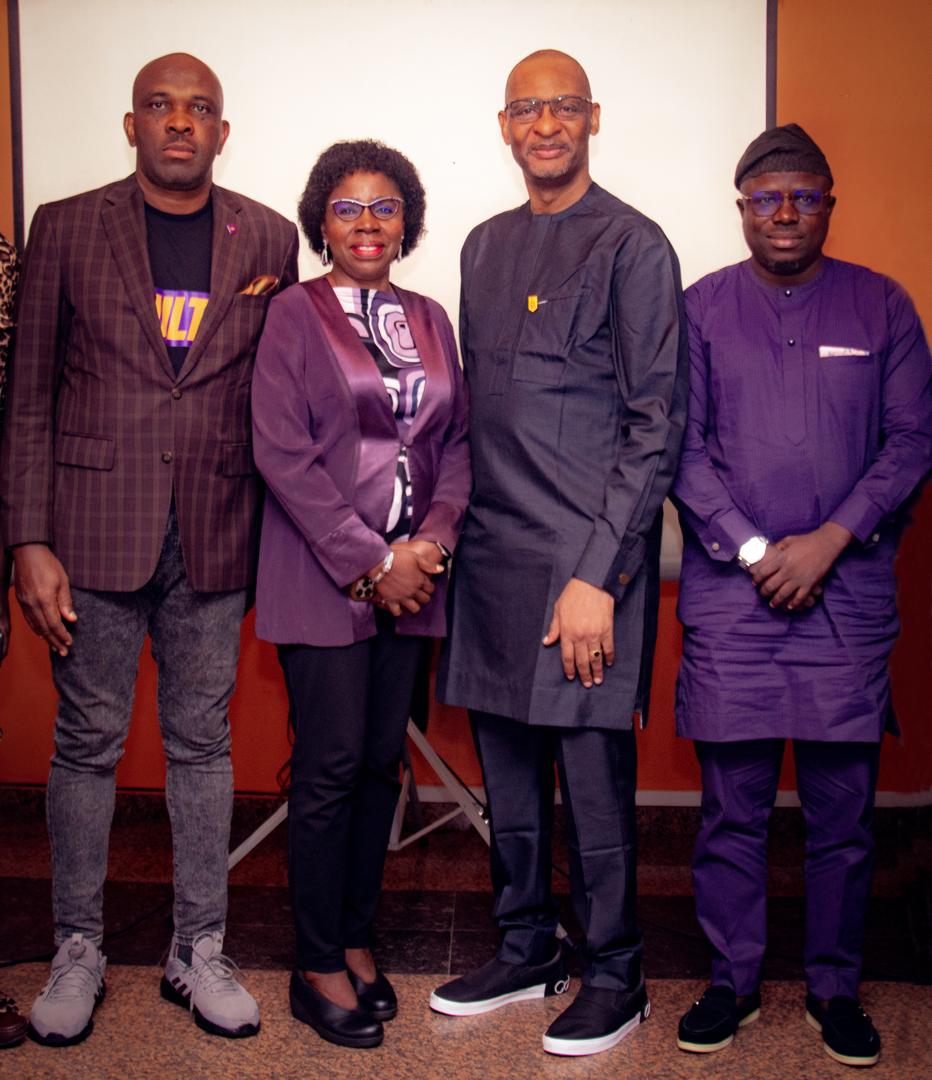

By Adebola Isimijola, Lagos
Polaris Bank Limited has empowered more than 6,200 journalists through its Annual Media Capacity Seminar over the past 12 years, reaffirming its commitment to promoting ethical journalism and equipping media professionals with the skills required to navigate the opportunities and challenges presented by artificial intelligence (AI).
The bank disclosed this in a statement on Monday after hosting the 12th edition of the Annual Media Capacity Seminar, themed “Rebuilding Trust and Reinventing Storytelling in the Age of AI.” The virtual event, held via Microsoft Teams, attracted over 650 journalists, editors, publishers, media executives and communication professionals from across Nigeria.
Speaking at the seminar, the Managing Director and Chief Executive Officer of Polaris Bank, Mr. Kayode Lawal, said trust remains the foundation of meaningful relationships between financial institutions, the media and the public, stressing that journalists must embrace emerging technologies without compromising ethical standards and credibility.
Represented by the bank’s Head of Brand Management and Corporate Communication, Mr. Rasheed Bolarinwa, Lawal said, “At Polaris Bank, trust is the currency that underpins every meaningful relationship—between banks and customers, institutions and citizens, and indeed between the media and the public. As artificial intelligence reshapes how information is created and consumed, preserving credibility and ethical journalism becomes even more critical.”
He said the seminar reflects the bank’s commitment to supporting journalists with the knowledge and skills needed to thrive in a rapidly evolving media landscape while sustaining public confidence in responsible journalism.
According to him, Polaris Bank’s sustained investment in media capacity development underscores its broader commitment to promoting knowledge, innovation, institutional excellence and sustainable national development through strategic partnerships.
“For over a decade, this platform has reflected our unwavering belief that a strong, professional and well-equipped media is indispensable to national development, economic growth, democratic accountability and public trust. At Polaris Bank, we recognise that journalists are not merely reporters of events; they are custodians of facts, shapers of public discourse and critical partners in nation-building,” Lawal said.
The Polaris Bank chief noted that while artificial intelligence offers significant opportunities for the media industry, it also places greater responsibility on journalists to preserve public trust by upholding the highest standards of ethical reporting.
He said, “As artificial intelligence continues to reshape how information is created, distributed and consumed, the media industry faces both unprecedented opportunities and profound challenges. The imperative to preserve credibility, strengthen public trust and uphold ethical journalism has never been greater.”
Lawal reiterated the bank’s resolve to continue investing in media capacity development, saying empowering journalists with contemporary knowledge, practical insights and emerging digital competencies would strengthen Nigeria’s information ecosystem and benefit society.
The seminar featured presentations by Professor Abigail Ogwezzy-Ndisika of the University of Lagos, who spoke on “The Trust Economy: Strengthening Credibility Across Media and Financial Institutions,” and the Chairman of Proshare, Mr. Olufemi Awoyemi, mni, who delivered a paper titled “AI in Newsrooms: Opportunities for Smarter Storytelling and Faster Reporting.”
According to the statement, both speakers highlighted the transformative impact of artificial intelligence on journalism while emphasising the need for media organisations to safeguard editorial integrity, combat misinformation and strengthen public confidence through responsible reporting.
Participants also explored practical strategies for leveraging AI to improve news gathering and storytelling without compromising accuracy, fairness and professional ethics.
The bank appreciated the more than 650 journalists and media professionals who participated in the seminar and encouraged them to apply the knowledge gained in promoting accurate, ethical and impactful journalism.
Polaris Bank noted that its Annual Media Capacity Seminar has evolved into one of Nigeria’s leading private-sector initiatives for media development, fostering stronger collaboration between the financial services industry and the media while advancing ethical journalism, innovation and professionalism.
Discover more from SAFARI XPRESS NEWS
Subscribe to get the latest posts sent to your email.







#polarisbank
… reposted this!