

By Adebola Muili
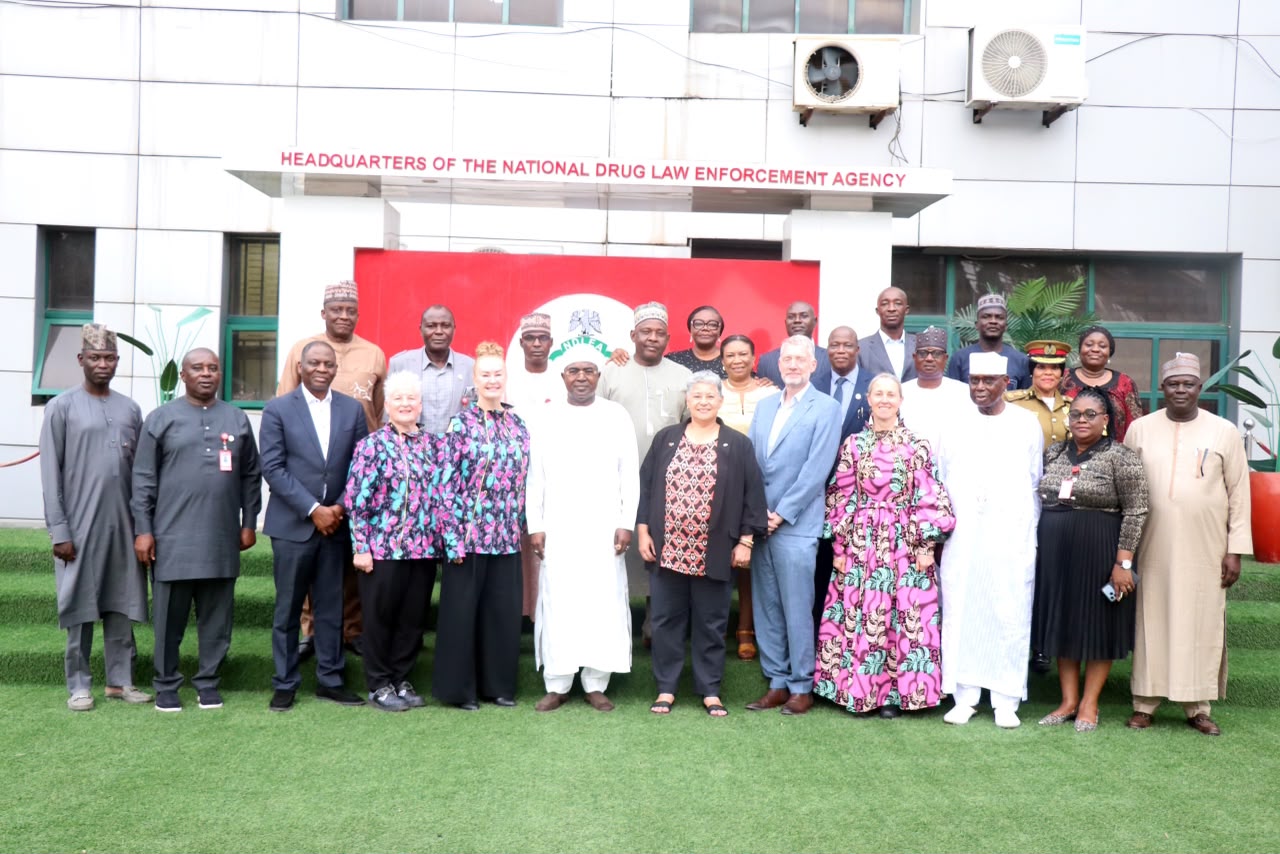
The National Drug Law Enforcement Agency (NDLEA) and the Australian Federal Police (AFP) have entered into a strategic partnership to strengthen intelligence sharing, coordinated operations and the disruption of international drug trafficking networks operating along the Nigeria-Australia route.
This was contained in a statement made available to journalists on Monday by the NDLEA’s Director of Media and Advocacy, Femi Babafemi, following the signing of a Memorandum of Understanding (MoU) between the two agencies at the NDLEA national headquarters in Abuja.
Speaking at the ceremony, the NDLEA Chairman, Brig. Gen. Mohamed Buba Marwa (retd.), described the agreement as a declaration of war against transnational drug cartels, saying it would strengthen the capacity of both countries to tackle organised criminal networks exploiting international routes.

Marwa expressed confidence that the combined operational capabilities of the two agencies would make the Nigeria-Australia drug route increasingly difficult and unprofitable for traffickers.
He explained that the agreement provides a framework for cooperation in four major areas: intelligence and information exchange, joint and coordinated operations, capacity building and professional development, as well as controlled delivery of illicit drug consignments.
The NDLEA chairman said the partnership had become necessary as international drug trafficking networks continued to grow in sophistication, with Nigerian organised crime groups increasingly linked to drug operations along the Australia-Pacific route, particularly involving methamphetamine and cocaine.

According to him, Nigeria was being exploited as both a transit and sourcing point for illicit drugs, making international cooperation essential in confronting criminal organisations whose activities extend across national borders.
Marwa expressed the expectation that the agreement would translate into major joint seizures, the arrest of high-value drug trafficking targets and successful controlled delivery operations.
To underscore the scale of the threat, he cited recent NDLEA operations, including the seizure of 184.5 kilogrammes of cocaine meant for export and the dismantling of four methamphetamine laboratories in recent months.

He disclosed that Mexican nationals were found to be embedded in the operations of the laboratories, while seizures from one of the facilities were valued at more than $360 million.
The NDLEA boss also recalled the dismantling of a Switzerland-based drug cartel allegedly linked to a Nigerian, Simon Amadi, following more than a year of collaborative investigations involving the United States Drug Enforcement Administration (DEA), as well as French, Greek and Swiss police authorities.
He added that assets linked to the cartel in Nigeria had also been targeted as part of efforts to weaken the financial capacity of international drug trafficking networks.

Speaking on behalf of the Australian delegation, the head of the AFP team, Ms Sandra Booth, said the fight against illicit drugs required collective action, commending the NDLEA for adopting an approach that addresses the problem through both prevention and enforcement.
Booth described the relationships the Nigerian agency had established with international law enforcement organisations as commendable, noting that the new partnership would serve as a force multiplier in the fight against drug trafficking.
She explained that organised criminal groups were increasingly using proceeds from drug trafficking to finance other serious offences through what she described as a “crime as a service” model.

According to her, the groups were drawing young and vulnerable people into criminal activities, including drug delivery, transportation and violent attacks against rival groups.
She said the consequences of the illicit trade extended beyond addiction, contributing to family disintegration, community instability, gang violence and deaths in Australia.
Booth noted that while Nigeria was largely being exploited as a transit country, Australia served as a destination market where consumers were willing to pay substantial sums for illicit drugs.

She said Australia was therefore committed to working with Nigeria to prevent the movement of illicit substances into the country and protect its young people and vulnerable communities.
Emphasising the importance of sustained cooperation, Booth said both agencies must remain committed, demonstrate integrity and work together in pursuing drug trafficking networks across international borders.
“We hunt as a pack, and I am very proud that we can now be part of your pack,” she said.
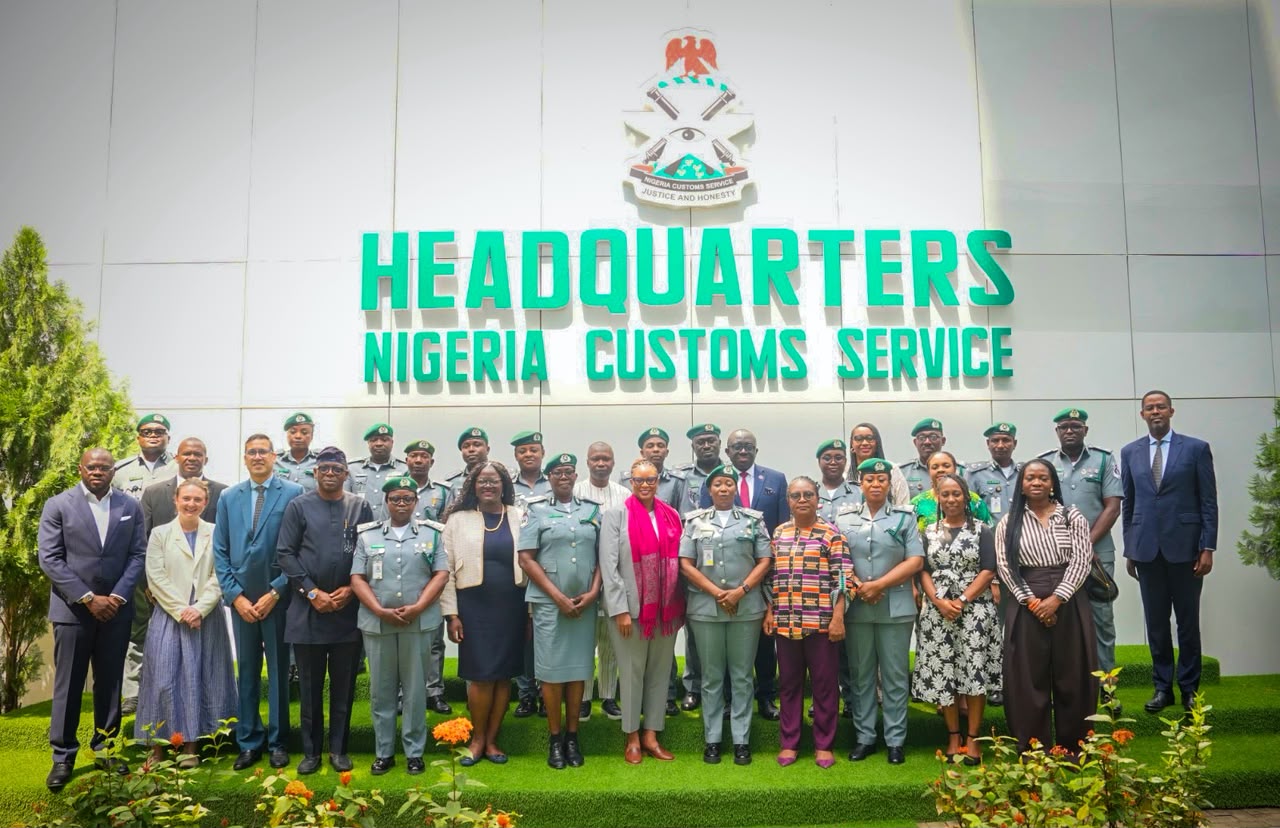
The ceremony was witnessed by the Australian High Commissioner to Nigeria, Ms Leilani Bin-Juda; Deputy High Commissioner, Timothy Milikan; and other members of the AFP delegation, Andrea Humphrys and Susan Gray, alongside senior officials of the NDLEA management.
Discover more from SAFARI XPRESS NEWS
Subscribe to get the latest posts sent to your email.







Leave a Reply