


By Adebola Isimijola, Lagos
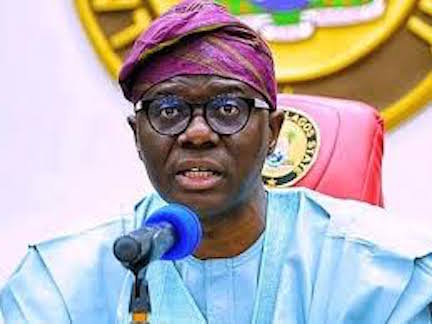
Lagos State Governor, Babajide Sanwo-Olu, has described Nigeria’s ongoing energy transition process as a critical step towards achieving energy security, saying recent reforms in the power sector have created opportunities for states to improve electricity generation and distribution.
Sanwo-Olu spoke on Tuesday at the Under2 States and Regions Dialogue during the London Climate Summit themed, “Advancing Energy Security in a Volatile World,” organised by Bloomberg Philanthropies and the Under2 Coalition in London.
According to a statement issued by the Governor’s Special Adviser on Media and Publicity, Gboyega Akosile on Wednesday, the governor said the opening up of the power sector to sub-national governments would help address the energy challenges facing millions of Nigerians.
He said Lagos State was already investing heavily in the sector and seeking partnerships that would enhance power generation and distribution across the state.

“I am from a country where I run a state that is close to 25 million people, and up until very recently, everything regarding power from generation to distribution was nationally controlled until last year that the power sector opened up in our country, and now the states can participate from the whole spectrum of generation to distribution,” Sanwo-Olu said.
The governor noted that Lagos was changing the narrative around energy sufficiency through innovative interventions, including mini-grid projects designed to serve smaller communities and improve access to electricity.
According to him, some communities that previously received less than 12 hours of electricity daily now enjoy between 20 and 21 hours of power supply due to the initiatives.

“We are designing models where we can do small, mini-grids, and we can manage and feed smaller communities. That has increased and improved access to power. People who were not having more than 12 hours of electricity before now enjoy it for 20 to 21 hours, which is a huge improvement and has improved their economic power,” he said.
Sanwo-Olu also disclosed that his administration had installed more than 45,000 solar-powered street lights and poles across different parts of Lagos within the last one year as part of efforts to promote renewable energy.
Highlighting Africa’s strategic importance in the global energy transition, the governor said the continent possesses about 60 per cent of global solar potential, 30 per cent of critical minerals and 25 per cent of the world’s population.

“There is a whole lot of interest that we are pushing on, especially in renewables. If we need to be successful in whatever conversation in real transition and wanting to be a global conversation, I feel it has to be Africa,” he said.
Meanwhile, Sanwo-Olu announced that Lagos State would host a Climate Action Week in September to showcase climate and sustainability projects being implemented across the state.
He said the event would provide an opportunity for nations, investors and development partners to see first-hand the progress Lagos had made in climate action and sustainable development.

“We have done a lot of tangible projects, and people need to come down to Lagos and see things for themselves. The opportunities are there, and we are ready to engage. We have the capacity,” he said.
The governor added that Lagos would serve as a model for showcasing climate initiatives across sub-Saharan Africa, reaffirming the state’s commitment to hosting the Climate Action Week later this year.
Discover more from SAFARI XPRESS NEWS
Subscribe to get the latest posts sent to your email.




#partnership
… reposted this!