

…Urges FG to Fund Private Hospitals as Primary Healthcare Providers
By Adebola Muili
The Guild of Medical Directors (GMD) has urged the Federal Government to incorporate private hospitals into Nigeria’s primary healthcare system and fund their services to make quality medical care more accessible and affordable to Nigerians.
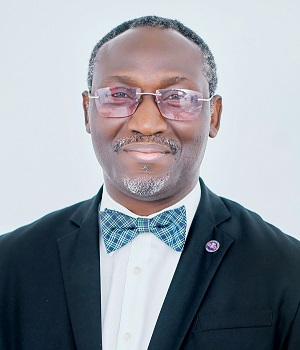
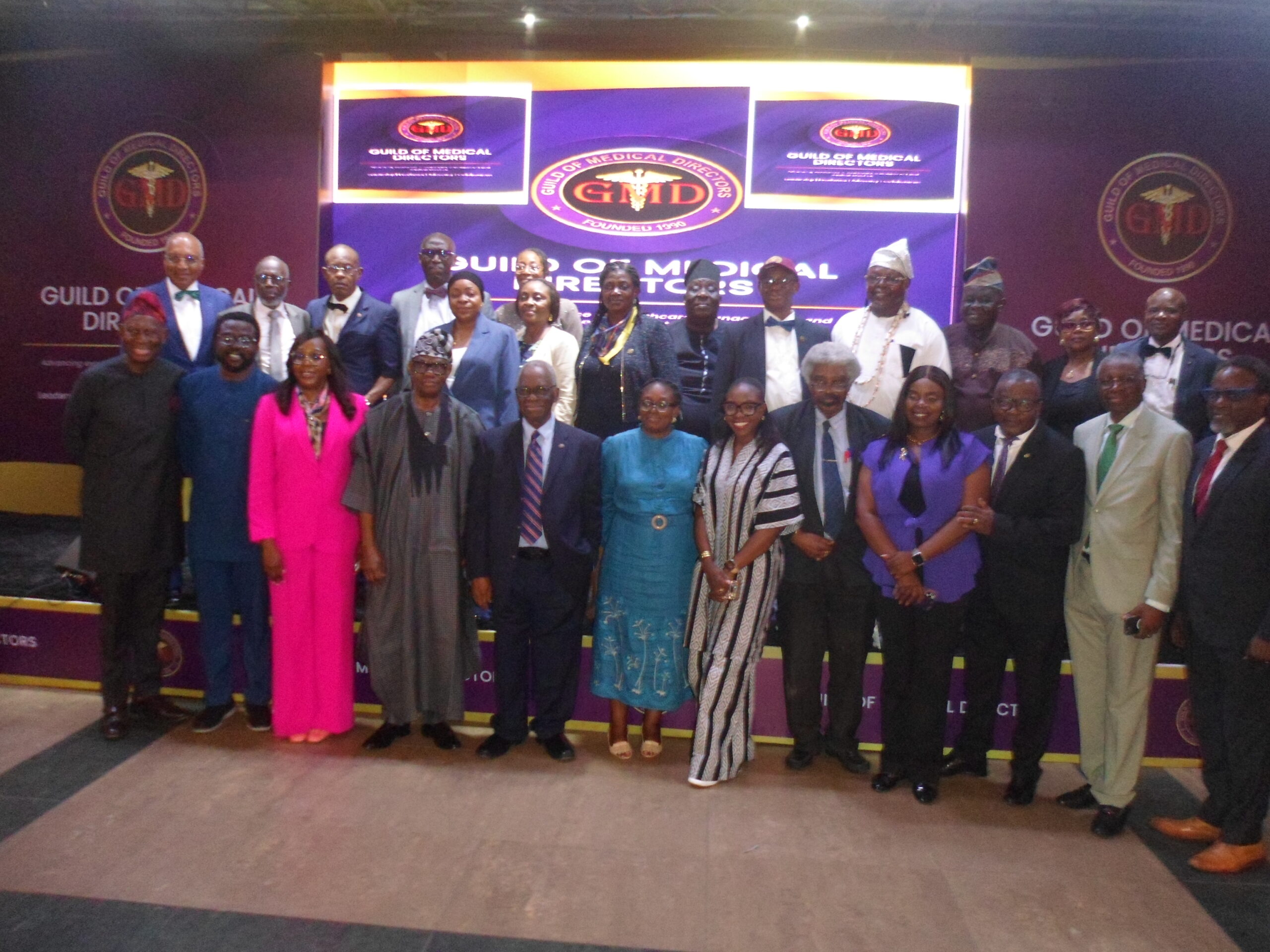
The National President of the Guild, Dr Raymond Abiodun, made the call on Friday at the Guild’s Scientific Conference and Annual General Meeting held at the Oriental Hotel, Victoria Island, Lagos.
Abiodun said the government could use accredited private hospitals located close to communities to provide primary healthcare services, with government funding the treatment of patients under the arrangement.
He said the proposal would give Nigerians greater choice by allowing them to access primary healthcare either at public facilities or nearby private hospitals without the cost of treatment becoming a major barrier.
“The primary healthcare should go to the private hospitals,” Abiodun said.
According to him, government has invested in primary healthcare over the years, but the sector still faces challenges that require a different approach.
He argued that partnering with private hospitals would enable government to take advantage of existing facilities and personnel while expanding access to quality healthcare across communities.

The Guild, established in 1990, was formed to bridge the gap between foreign and local access to medical care in Nigeria. It is registered with the Corporate Affairs Commission as an organisation of medical doctors who own and operate private hospitals and clinics in the country.
The organisation encourages its members to develop their practices to international standards and provide Nigerians with quality healthcare comparable to what is available globally, while keeping services affordable.
Abiodun said the Guild’s founding objective remained relevant as Nigeria continued to grapple with the cost and accessibility of quality healthcare.
He said the major challenge facing the country’s healthcare system was not a lack of medical expertise but the high cost of infrastructure, equipment, medicines, electricity, maintenance and professional training.
He said Nigerian medical professionals were capable of providing advanced treatments available in other parts of the world, citing robotic surgery, laparoscopic surgery, interventional radiology and interventional cardiology among procedures already being performed in the country.
“Human resources-wise, we are excellent. I can give Nigeria 10 over 10, but for equipment, we are really having issues with that,” he said.

The GMD president said the high cost of medical equipment was worsened by foreign exchange pressures, while hospitals also had to contend with the cost of maintaining sophisticated equipment and providing reliable electricity.
He also identified continuous professional development as another challenge, noting that the cost of travelling abroad for refresher courses could be prohibitive.
Abiodun said the Guild had therefore encouraged training programmes within Nigeria, including bringing experts into the country to expose medical professionals to new developments in medicine.
On the continued practice of some leaders and other prominent Nigerians travelling abroad for medical treatment, the GMD president said the country had the expertise to provide the treatments available abroad.
He said concerns about confidentiality and protection of patients’ medical information could be among the reasons some prominent individuals preferred treatment outside Nigeria.
Abiodun, however, maintained that Nigerian hospitals had the capacity to provide advanced medical and surgical services.
“There is no surgery. There is no treatment that they go out there that we cannot carry out here in Nigeria,” he said.

He added that strengthening infrastructure, reducing costs and improving confidence in the local healthcare system would be necessary to encourage more Nigerians to seek treatment within the country.
On the purpose of the conference, Abiodun said the annual gathering was designed to help medical directors update their medical knowledge while improving their understanding of the business and management aspects of running healthcare institutions.
He said the Guild believed that quality medicine should be delivered in a manner that also made healthcare institutions sustainable.
According to him, the conference focused on how medical directors could improve their practices, add value to patients and ensure that doctors also received appropriate returns for their professional services.
Abiodun said the central challenge was to provide quality healthcare without imposing an unaffordable financial burden on patients, particularly as the cost of many medical inputs remained high.
“Qualitative medicine is not cheap,” he said, adding that the objective should be to provide the best possible healthcare at prices Nigerians could afford.
He said the Guild would continue to engage government and other stakeholders on measures that could strengthen private healthcare delivery and improve access to quality medical services in Nigeria.
Discover more from SAFARI XPRESS NEWS
Subscribe to get the latest posts sent to your email.








Leave a Reply