


By Adebola Isimijola, Lagos
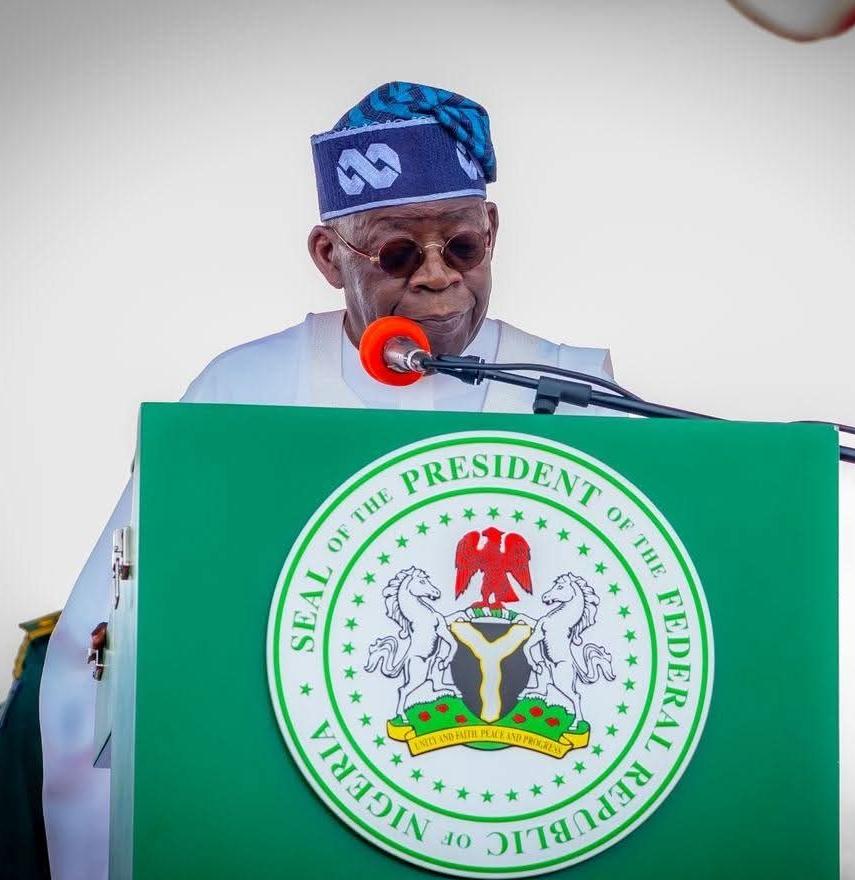
President Bola Ahmed Tinubu has charged Nigerians with the responsibility of securing economic prosperity, saying while past generations fought for independence and democracy, the present generation must ensure that democracy translates into improved living standards for citizens.
Tinubu stated this in his Democracy Day address to Nigerians on Thursday, as the country marked 27 years of uninterrupted civilian rule.
The President said Nigeria’s democratic journey, despite its challenges, remained a significant achievement, noting that the country had witnessed peaceful transitions of power and resolution of disputes through constitutional institutions rather than violence.
“Our democracy is not perfect, but it is ours, and we must continue to defend and strengthen it,” Tinubu said.
He urged the Independent National Electoral Commission (INEC), security agencies, political parties and other stakeholders to ensure that forthcoming elections in Ekiti and Osun States are peaceful, transparent and credible.
According to him, democracy is weakened when citizens lose confidence in the electoral process, adding that institutions such as the National Assembly, Judiciary, the Press and Civil Society organisations remain critical pillars of the nation’s democracy.
Tinubu appealed to Nigerian youths to remain committed to the country, urging them to contribute their skills and ideas towards national development.
“To our young people: Nigeria is your home and your future. Build here, code here, work here, and vote here,” he said.
Addressing the nation’s security challenges, the President expressed hope for the safe return of abducted children in Oyo and Borno States, stressing that democracy cannot thrive without security.
He disclosed that his administration had declared a security emergency and approved the recruitment of over 50,000 police officers and thousands of military personnel to strengthen the nation’s security architecture.
Tinubu said the 2026 budget committed N5.41 trillion to defence and security, describing it as the largest security allocation in the country’s history.
He said security operations had recorded significant progress, including the weakening of terrorist networks and a reduction in terror-related deaths.
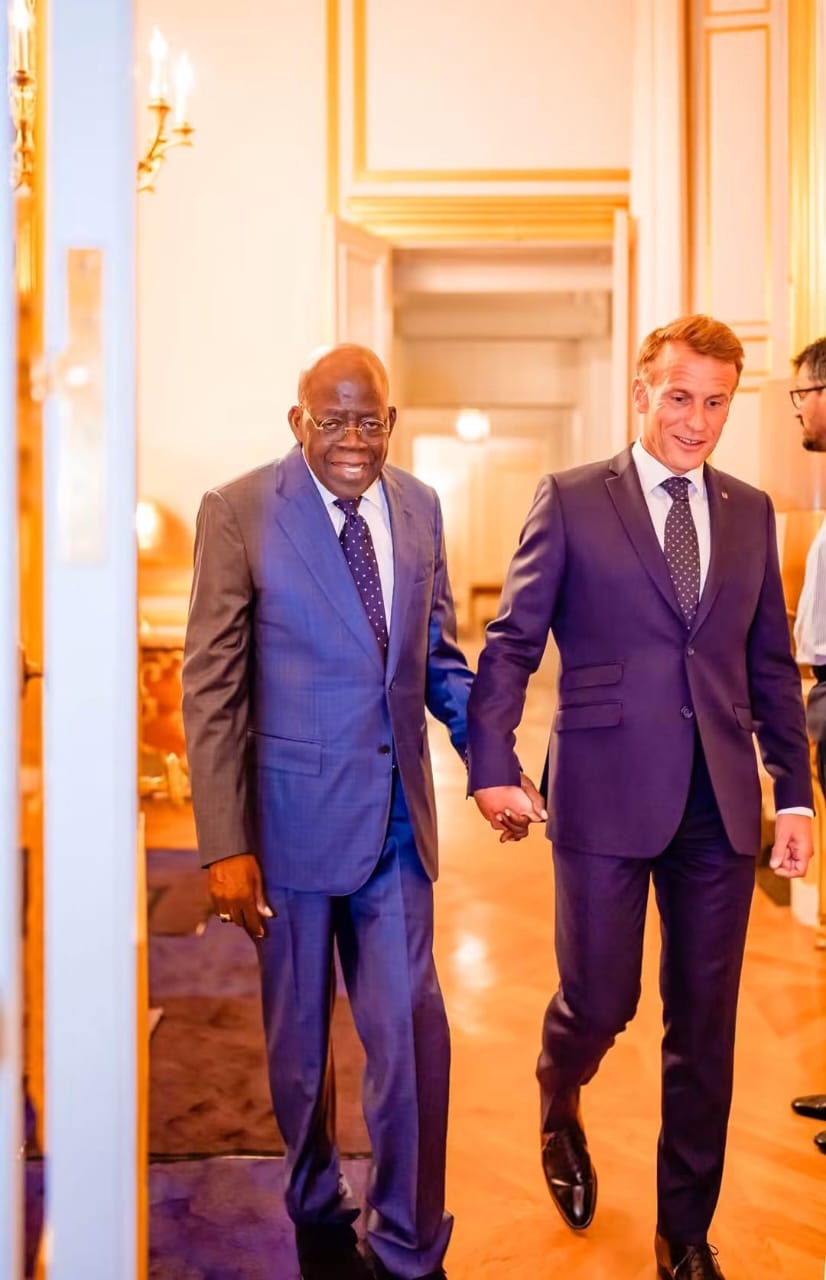
“We have moved from training with our allies, the United States, France and other European countries, to precision targeting,” Tinubu stated.
He added that more than 13,000 terrorists had been neutralised in the past year, while over 124,000 fighters and their dependants had surrendered since 2023 through Operation Safe Corridor.
The President warned bandits, kidnappers and sponsors of terrorism to surrender or face the full force of the Nigerian State.
“To bandits, kidnappers, and sponsors of terror: Surrender or face the full force of the Nigerian State,” he warned.
Tinubu also paid tribute to the heroes of the June 12 struggle, including the late Chief MKO Abiola, Alhaja Kudirat Abiola, Chief Gani Fawehinmi, Chief Bola Ige, Chief Alfred Rewane, Pa Abraham Adesanya and other pro-democracy activists whose sacrifices contributed to Nigeria’s democratic journey.
He said the significance of June 12 went beyond an election, describing it as a symbol of national unity and the struggle for freedom.
“June 12, 1993, revealed the possibility of a true Nigerian nation. The heroes of June 12 secured political freedom. Our challenge is to secure economic freedom,” the President said.
Tinubu announced that the Federal Government had approved the revitalisation and renaming of the Institute of Petroleum Studies, Kaduna, as the General Shehu Musa Yar’Adua University of Geological Sciences and Engineering Technology, in honour of the late military officer and pro-democracy figure.
He also announced national awards for Nigerians who suffered persecution, imprisonment, exile and other hardships during the struggle for democracy.
On the economy, the President defended his administration’s reforms, saying they were necessary to restore stability, attract investment and strengthen the country’s financial system.
He acknowledged that many Nigerians were still facing economic difficulties but assured that the government remained focused on reducing inflation, increasing food production, creating jobs and improving living conditions.
“Democracy must be felt in the pocket,” Tinubu said.
The President said improved federal revenues had enabled states and local governments to receive more resources for infrastructure, education, healthcare and security.
He also highlighted increased investments in agriculture, energy, manufacturing, technology, mining, transportation and the creative sector.
On electricity, Tinubu said his administration inherited a sector affected by poor generation, weak transmission infrastructure, huge debts and a shortage of electricity meters.
He said the Electricity Act and other interventions were aimed at expanding access to reliable power, adding that electricity remained a key democratic dividend owed to Nigerians.
Tinubu further reaffirmed his commitment to strengthening local government administration, saying financial autonomy for the 774 councils was necessary to improve grassroots governance.
He urged Nigerians to reject division, cynicism and despair, stressing that the country’s diversity remained a source of strength.
“Twenty-seven years ago, many doubted democracy would survive here because of our diversity. Today, our diversity sustains our democracy,” he said.
Tinubu concluded by urging Nigerians to ensure that the sacrifices of past heroes of democracy were not in vain, calling for a united country where justice, liberty and opportunity are guaranteed.
Discover more from SAFARI XPRESS NEWS
Subscribe to get the latest posts sent to your email.








#democracy
… reposted this!