

By Adebola Muili
The ENATTA Foundation has said it is working towards transforming the economic fortunes of women in fishing communities through the provision of productive assets, financial empowerment, business education and infrastructure support to strengthen their businesses and improve access to larger markets.
The founder of the foundation, Adijat Enitan Okuyelu, disclosed this on Thursday, November 5, 2026, during a boat regatta organised for fisherwomen at Tomaro-Onisowo Island, Amuwo-Odofin, Lagos, where she said the organisation’s interventions had reached thousands of beneficiaries across different fishing settlements.
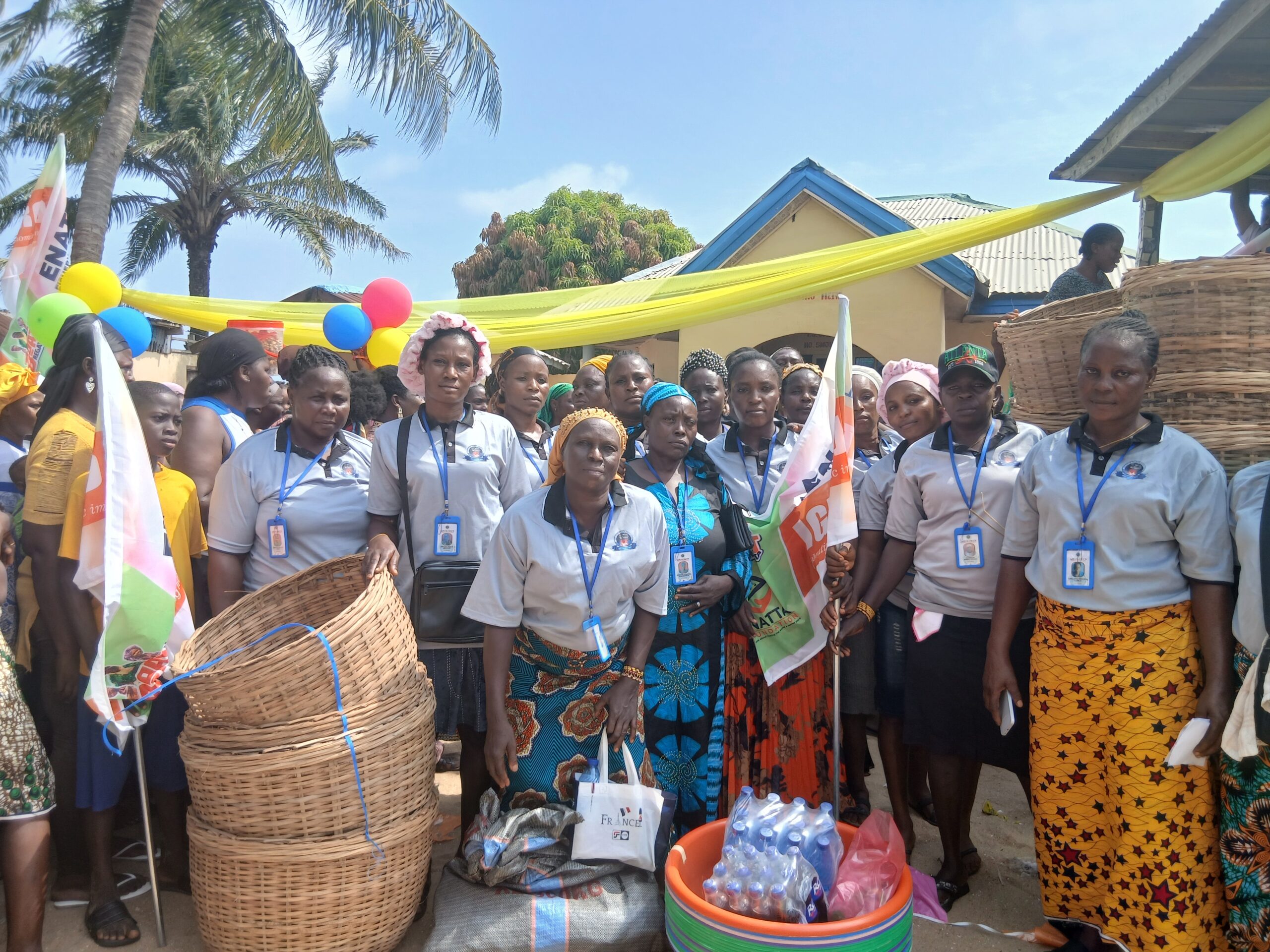
The event, which brought together women from fishing communities, including beneficiaries from the Arewa Community, featured cultural performances, swimming competitions and boat-diving contests. Participating fisherwomen also received baskets, bowls and cash support as part of the foundation’s efforts to recognise their contributions and support their livelihoods.

Okuyelu explained that her decision to support fishing communities followed what she described as the disturbing living conditions she encountered when she first visited them about two years ago.
She said her initial visit was connected with export-related activities, but the experience changed her perception of the economic circumstances of the women, who were working hard in an important sector without enjoying the benefits of their labour.
According to her, the situation prompted her to begin supporting the communities individually, starting with the provision of equipment and other resources that could improve their fishing activities.
“What I found was completely heartbreaking. Communities that should be thriving but living in abject poverty. Communities that are devoted but yet can’t really enjoy the fruit of the work they do,” she said.

She explained that the foundation initially concentrated on providing productive assets such as boats, fishing traps and nets to help the women improve their operations.
However, she said the organisation subsequently discovered that some fishing communities operated separately, with rivalries among them sometimes creating difficulties in their activities on the waterways.
This, she explained, informed the decision to introduce the boat regatta as a platform for bringing the communities together, promoting friendship and celebrating their occupation and cultural heritage.
Okuyelu described the regatta as an expression of appreciation for the fishing communities, their children, their heritage and the contributions of women to the fishing industry.

She said the latest gathering was the foundation’s third regatta, following two previous editions held in the Bariga area.
Speaking on the reach of the organisation’s interventions, the founder disclosed that about 250 women had been registered in the Bariga axis, while more than 500 fish processors in the area were yet to be formally captured in its records but had benefited from some of its activities.
She added that about 250 women were registered for the Amuwo-Odofin programme, although not all those invited attended the gathering.
According to her, the number of people reached through the foundation’s activities across the different fishing settlements had grown considerably, with the overall beneficiaries running into thousands.
Okuyelu, however, said the organisation’s vision extended beyond distributing equipment and providing immediate assistance, stressing that the women needed the knowledge and financial discipline to manage their businesses independently.

She said the foundation was therefore incorporating financial education into its interventions to help beneficiaries understand business management, maintain proper records and develop the capacity to attract financing.
“I don’t believe in just giving people things. I believe in you being able to do it yourself,” she said.
She explained that women who understood how to manage their businesses and maintain credible financial records would stand a better chance of securing support from banks and other investors.
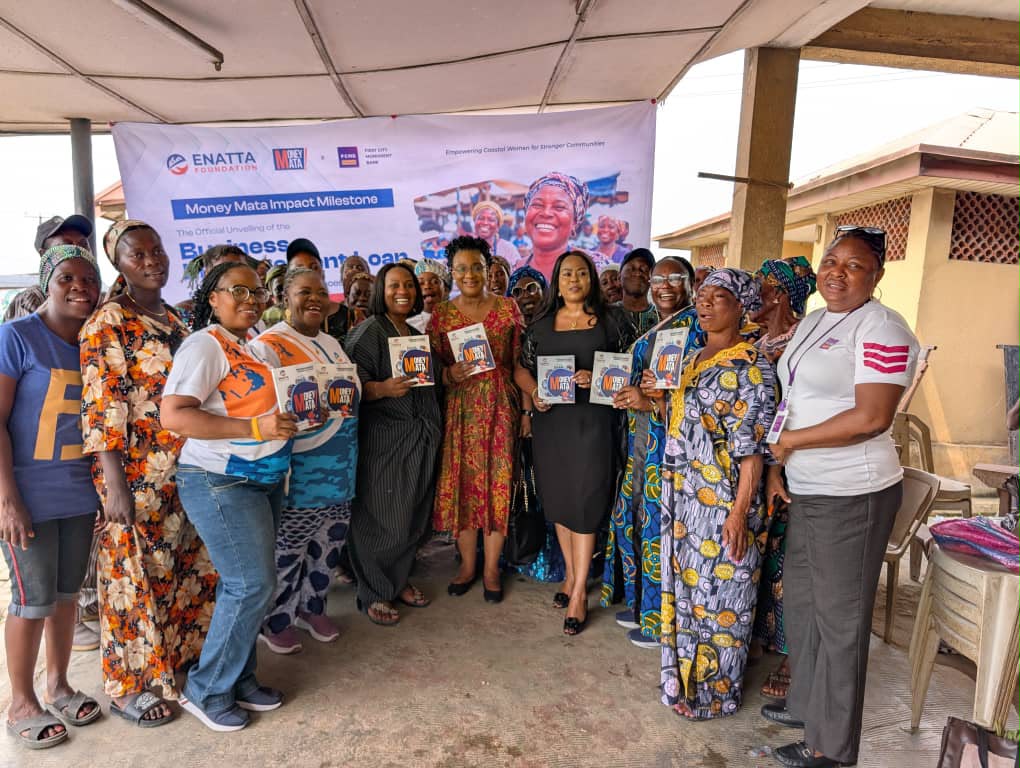
Giving an example of the progress recorded through the initiative, Okuyelu disclosed that a fishing community in Bariga had recently benefited from a N5 million bank loan facility.

She said the facility carried a single-digit interest rate and was repayable over one year, adding that some beneficiaries intended to use the funds to acquire productive assets, including solar-powered freezers.
According to her, some of the loans were asset-backed, while the foundation would provide monitoring support to ensure that the beneficiaries made proper use of the funds.
She expressed the hope that women in Amuwo-Odofin would also qualify for similar financial opportunities as they developed their businesses and demonstrated the capacity to manage credit facilities.
The founder explained that the foundation’s longer-term economic objective was to bring the women together through an aggregation arrangement that would enable them to pool their products rather than continue operating only as individual small-scale businesses.

She said such an arrangement could improve their capacity to supply larger markets and eventually create opportunities for export, with the potential to generate better returns for the women.
Okuyelu, however, identified inadequate infrastructure as one of the major obstacles limiting the growth of fishing businesses in the communities.
She particularly drew attention to the absence of cold-storage facilities, explaining that the women often struggled to preserve their catches, with some fish going to waste when they could not be sold or processed quickly.
She said many of the women had consequently relied on fish processing as their principal means of preservation because of the limited facilities available to them.
The founder called for greater investment in electricity, cold-storage facilities and other essential infrastructure to improve the operations of fishing communities.
She also urged corporate organisations, private individuals and government agencies to support grassroots initiatives working to improve the economic conditions of fishing families.
On the funding of the foundation’s activities, Okuyelu explained that the initiative was largely sustained through her personal contributions and funds raised from friends who shared her concern about the conditions of the women.
Although she acknowledged the support of officials in the government ministry responsible for fisheries, she said more partnerships were needed to expand the organisation’s reach and address the needs of the communities.
She maintained that government alone could not provide all the solutions required, stressing the importance of private sector participation and individual contributions to community development.
Looking ahead, Okuyelu expressed confidence in the potential of the women, saying their resilience and commitment to their businesses could translate into significant economic progress if the necessary support systems were put in place.
She said she hoped that within the next three to five years, the women would have developed stronger fishing enterprises, with their products recognised for quality and attracting buyers from different parts of the world.
Describing the legacy she hoped to leave behind, she said she wanted to be remembered for helping women build thriving fishing businesses and creating opportunities for them to participate in wider markets, including international trade.
One of the community representatives, Sikiru Dorcas, commended the foundation for its interventions but appealed for more assistance to reach other residents whose livelihoods also depended on fishing activities.
Dorcas said the support had been encouraging, adding that more people in the communities needed assistance, particularly young women and fishermen who lacked the resources to sustain their businesses.
“We have girls in the village that they need help. We have men that they need help,” she said.
She explained that some fishermen needed boats to continue their activities, while women required fishing equipment, including materials used in their daily operations, as well as financial assistance to sustain their businesses.
Dorcas also expressed concern about the difficulty of making consistent profits from fishing, explaining that the availability of fish was not always reliable and that periods of poor catches affected the earnings of residents.
“At this hour now, there is no fish at all, so there is no profit there, and we are not seeing anything in it,” she said.
She appealed to the foundation to extend its interventions to more people in the community, noting that the challenges confronting residents went beyond the needs of the women who had already benefited from its programmes.
Although she acknowledged that government was providing some assistance, she said more needed to be done to improve the economic conditions of fishing communities.
Dorcas also identified Oboro Shoki, Ara Romi and Ajegunle as communities where she had observed the foundation’s activities, expressing appreciation for its continued engagement and hoping that similar interventions would reach more residents.
She particularly commended Okuyelu for sustaining her commitment to the women and following through on promises made during previous visits.
She said the continued support had given the beneficiaries reason to look forward to further improvements in their businesses and living conditions.
Discover more from SAFARI XPRESS NEWS
Subscribe to get the latest posts sent to your email.






Leave a Reply