

By Adebola Muili
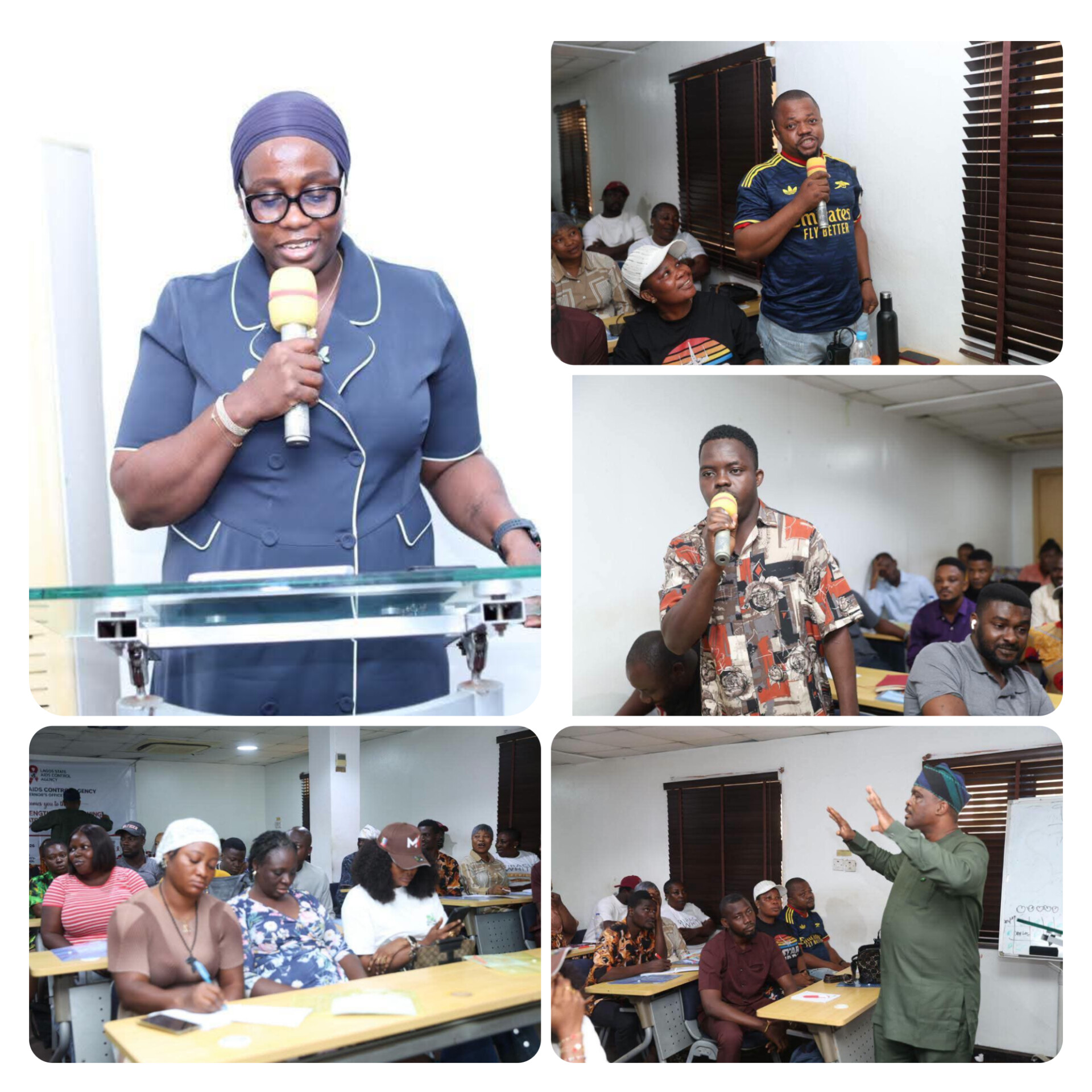
The Lagos State AIDS Control Agency (LSACA) has strengthened the capacity of peer educators on harm reduction to improve HIV prevention, community engagement and access to health and psychosocial services across the state.
The agency stated this on Monday, September 21, 2026, at a capacity-strengthening training for peer educators on harm reduction held at the Lagos Chamber of Commerce and Industry (LCCI), Ikeja, Lagos.
Speaking at the training, the Chief Executive Officer of LSACA, Dr. Folakemi Animashaun, said peer educators played a critical role in the state’s HIV response because of their close connection with communities and their position as trusted sources of information, support and referrals.
She said peer educators helped community members access accurate HIV information, make informed and safer choices, seek HIV testing, utilise prevention services and remain connected to treatment and care.
Animashaun stressed that the way peer educators interacted with people seeking assistance could determine whether such individuals felt safe enough to seek help.
“Every interaction with a Peer Educator can affect whether a person feels safe enough to seek help. This is why the way you speak to people, the information you give, and the support you provide are very important,” she said.
The LSACA boss explained that harm reduction focused on practical, respectful and non-judgmental approaches to reducing health risks while ensuring that people could access the services and support they required.
She said the training was designed to strengthen participants’ knowledge and practical skills in effective communication, confidentiality, provision of accurate information, identification of individuals requiring additional support and appropriate referrals to health and psychosocial services.
Animashaun also charged the peer educators to maintain professionalism in the discharge of their duties, particularly by protecting beneficiaries’ privacy, providing accurate information, making appropriate referrals and treating everyone with dignity and respect.
“Many people will judge the quality of the HIV response by the way they are treated when they first ask for help. You must therefore be professional at all times. Protect people’s privacy. Give correct information. Make proper referrals. Treat everyone with dignity and respect,” she said.
She reaffirmed LSACA’s commitment to strengthening the connection between community-based services and the formal health system, noting that effective community support could help people access services earlier, remain connected to care and receive the assistance they need.
The CEO urged the participants to apply the knowledge and skills acquired from the training in their respective communities and organisations, saying its impact should be reflected in improved communication, stronger referral systems and increased access to relevant services.
Animashaun acknowledged the leadership of Lagos State Governor, Mr. Babajide Olusola Sanwo-Olu, and the state government’s commitment to improving health and social services for residents.
She also appreciated implementing and technical partners, community organisations and networks, service providers, facilitators and other stakeholders for their support towards strengthening HIV prevention and community-based services across the state.
The training facilitator, Mr. Isaac Moses, took the participants through key principles and practical approaches to harm reduction and community-based service delivery.
Moses said the training was designed to equip peer educators with the knowledge and skills required to effectively engage beneficiaries, provide accurate information, make timely referrals and link individuals to relevant health and psychosocial services.
He emphasised the importance of adopting respectful, confidential, non-judgmental and client-centred approaches when working with communities, particularly vulnerable and underserved populations.
The training is expected to further strengthen the capacity of community-level actors to contribute to HIV prevention, harm reduction, linkage to services and improved health outcomes across Lagos State.
Discover more from SAFARI XPRESS NEWS
Subscribe to get the latest posts sent to your email.







Leave a Reply