

…Sanwo-Olu hails Tinubu, Umahi, NASS backing as minister pledges collaboration on project delivery
By Adebola Isimijola, Lagos
The Federal Government and the Lagos State Government have reaffirmed their commitment to the successful delivery of the Lagos-Calabar Coastal Highway, while dismissing claims that the landmark project is responsible for flooding in parts of Lagos.
The two governments also pledged closer collaboration to deliver the highway to international standards, describing reports linking the project to flooding as misleading and contrary to the facts on the ground.
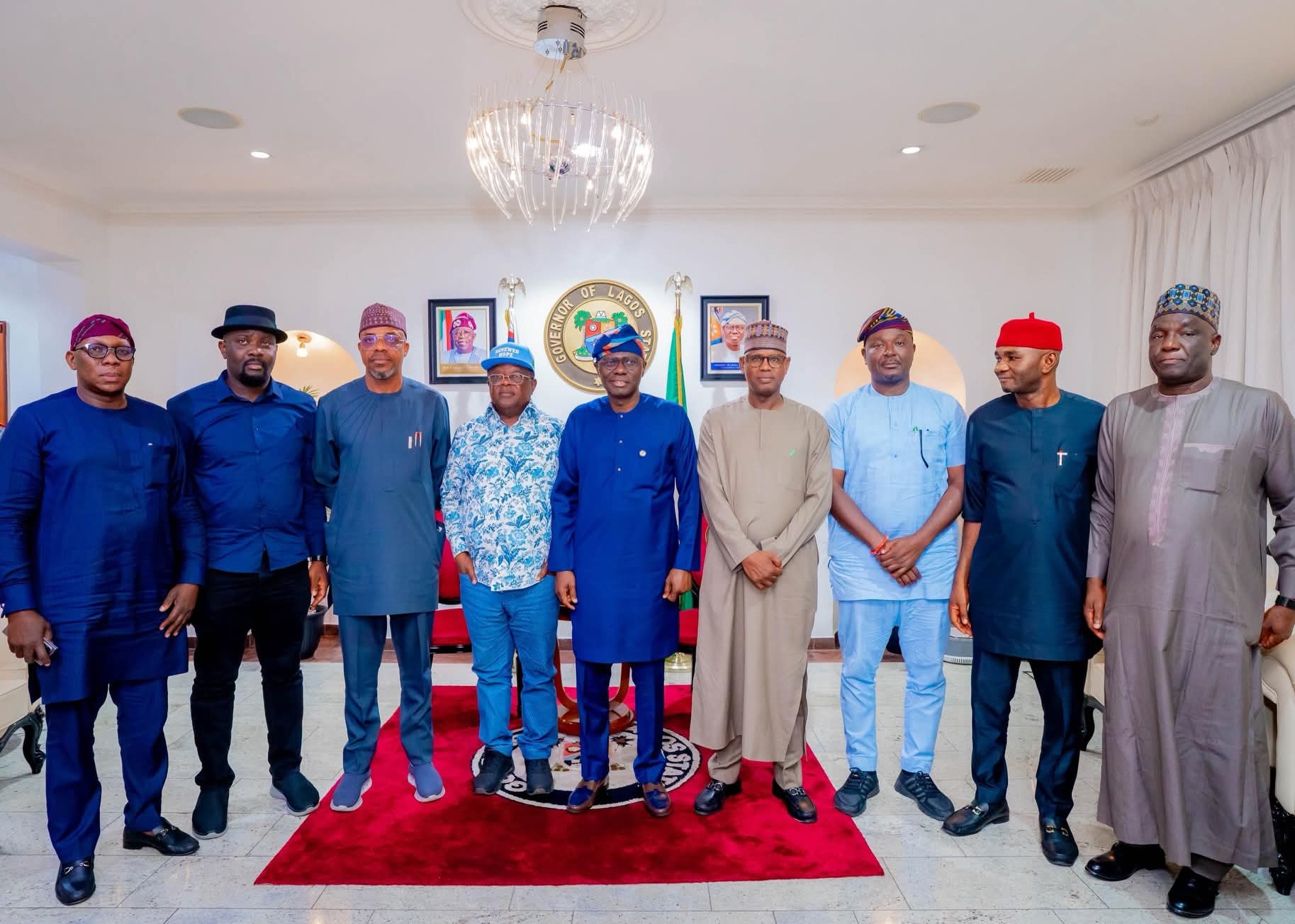
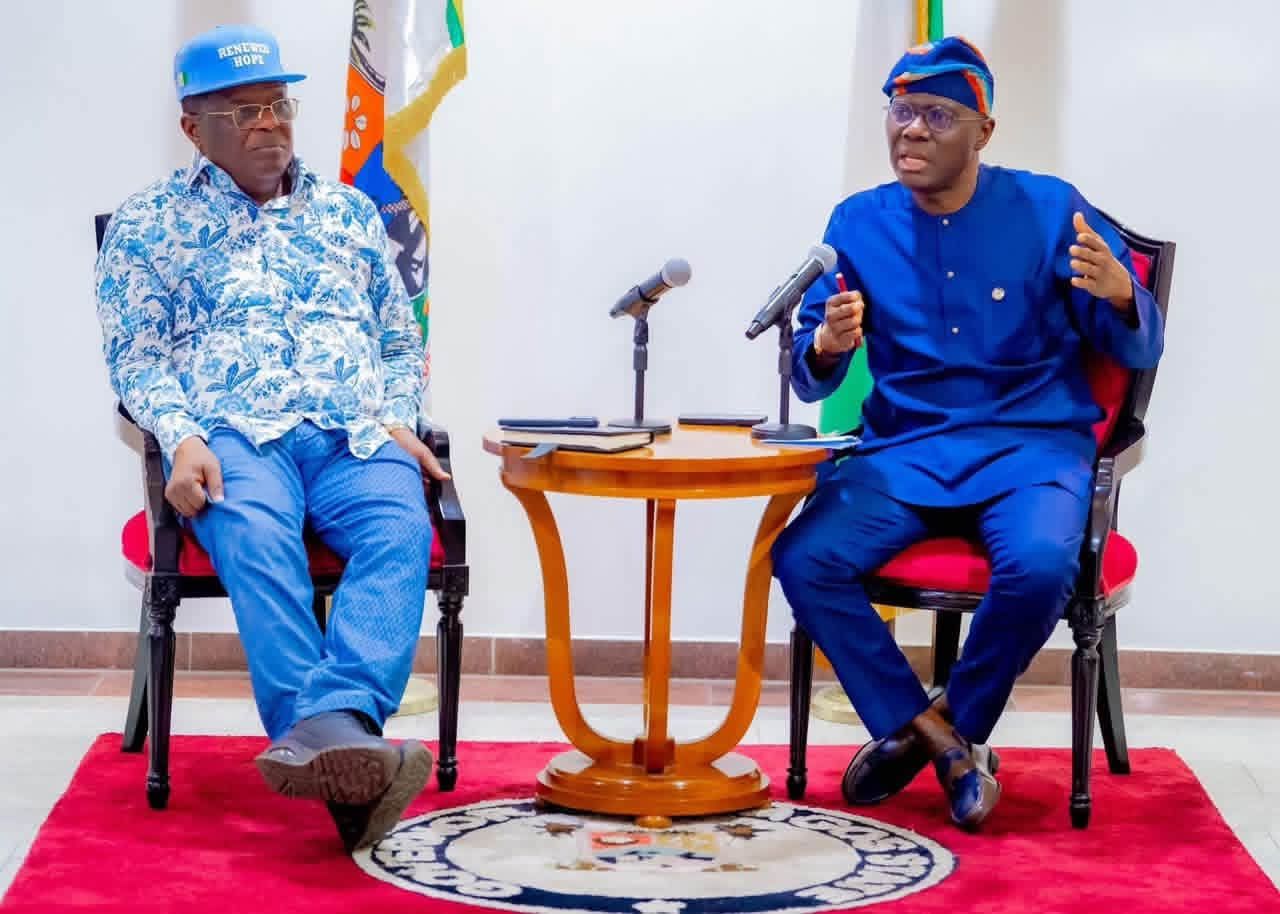
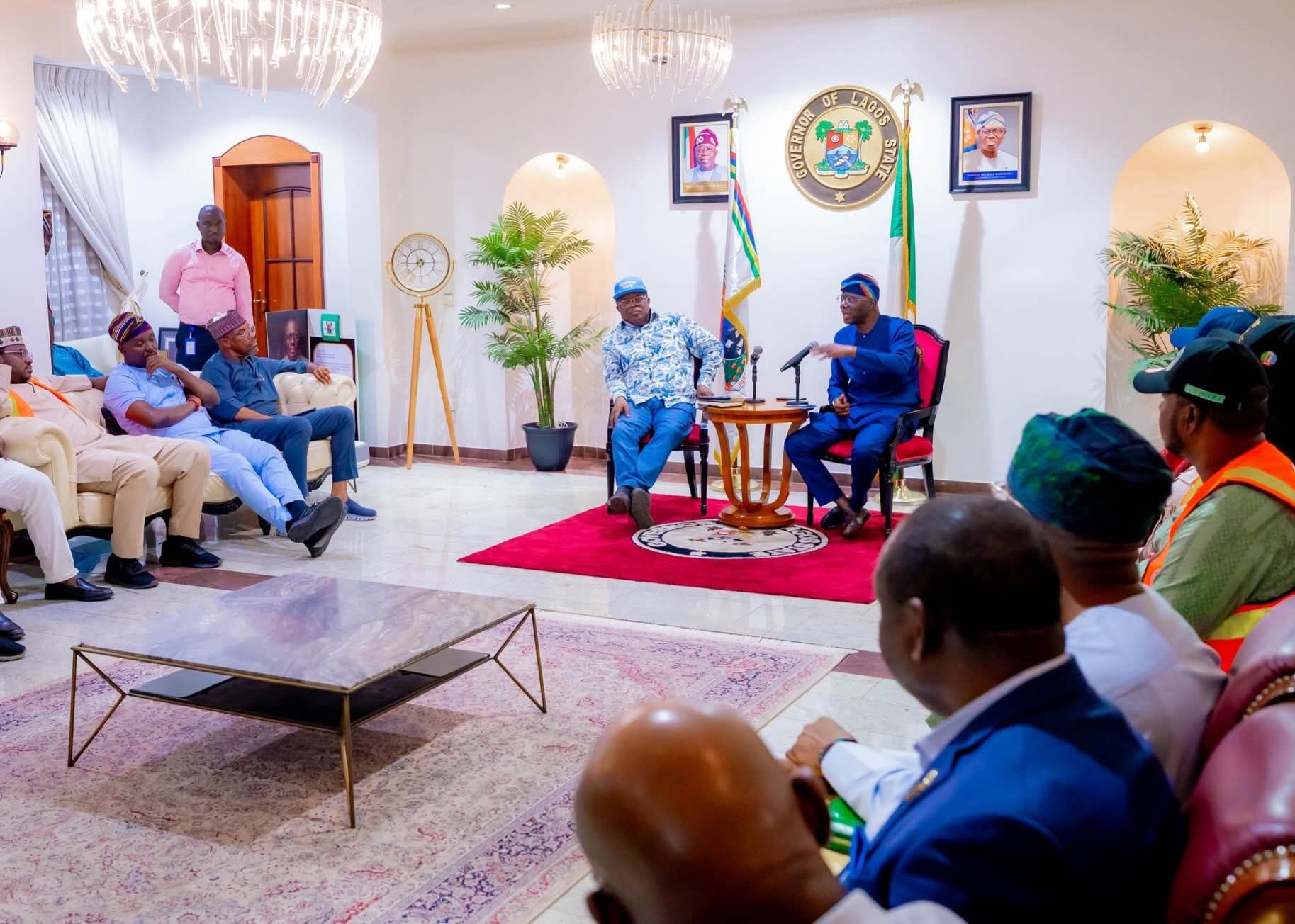
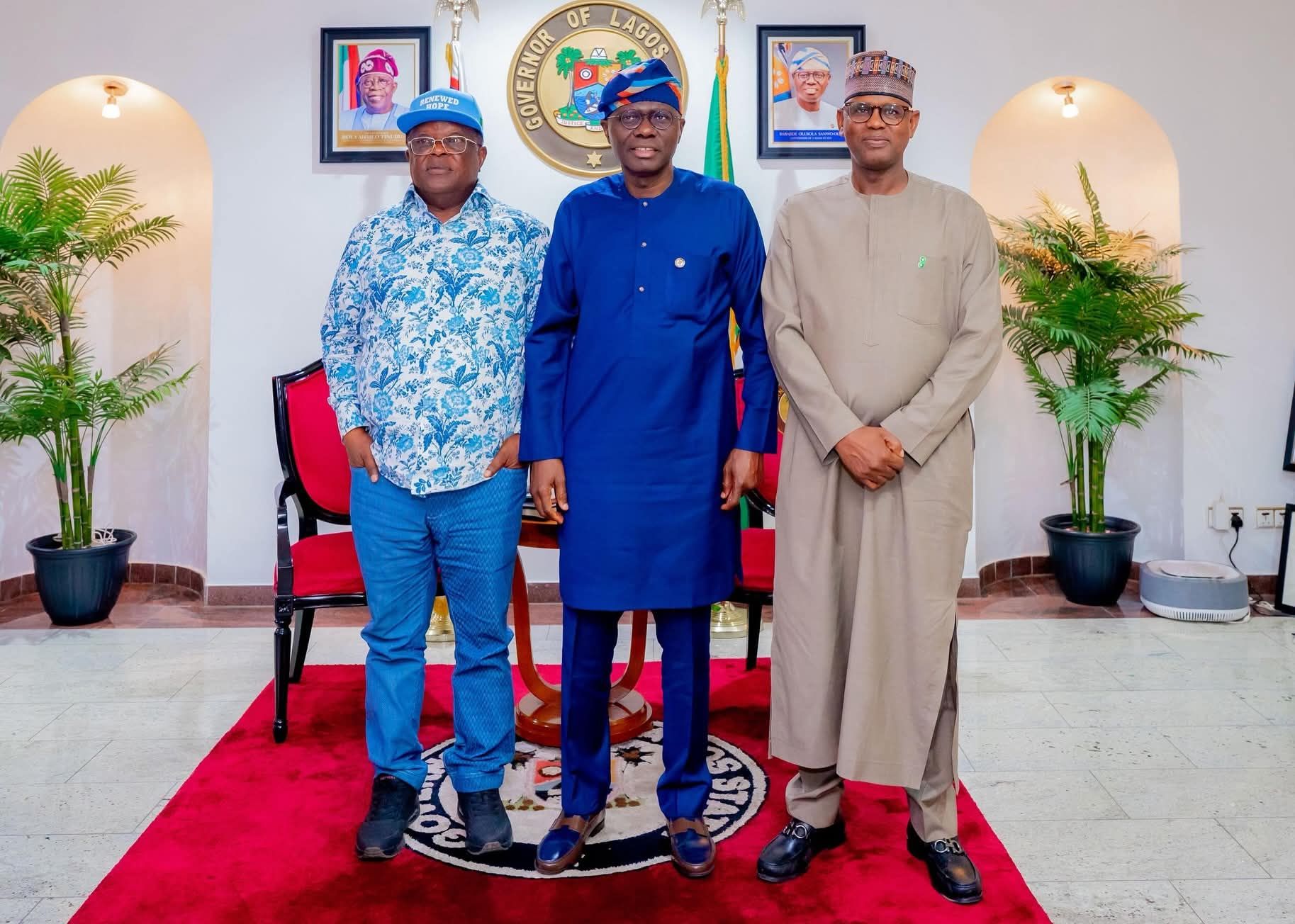
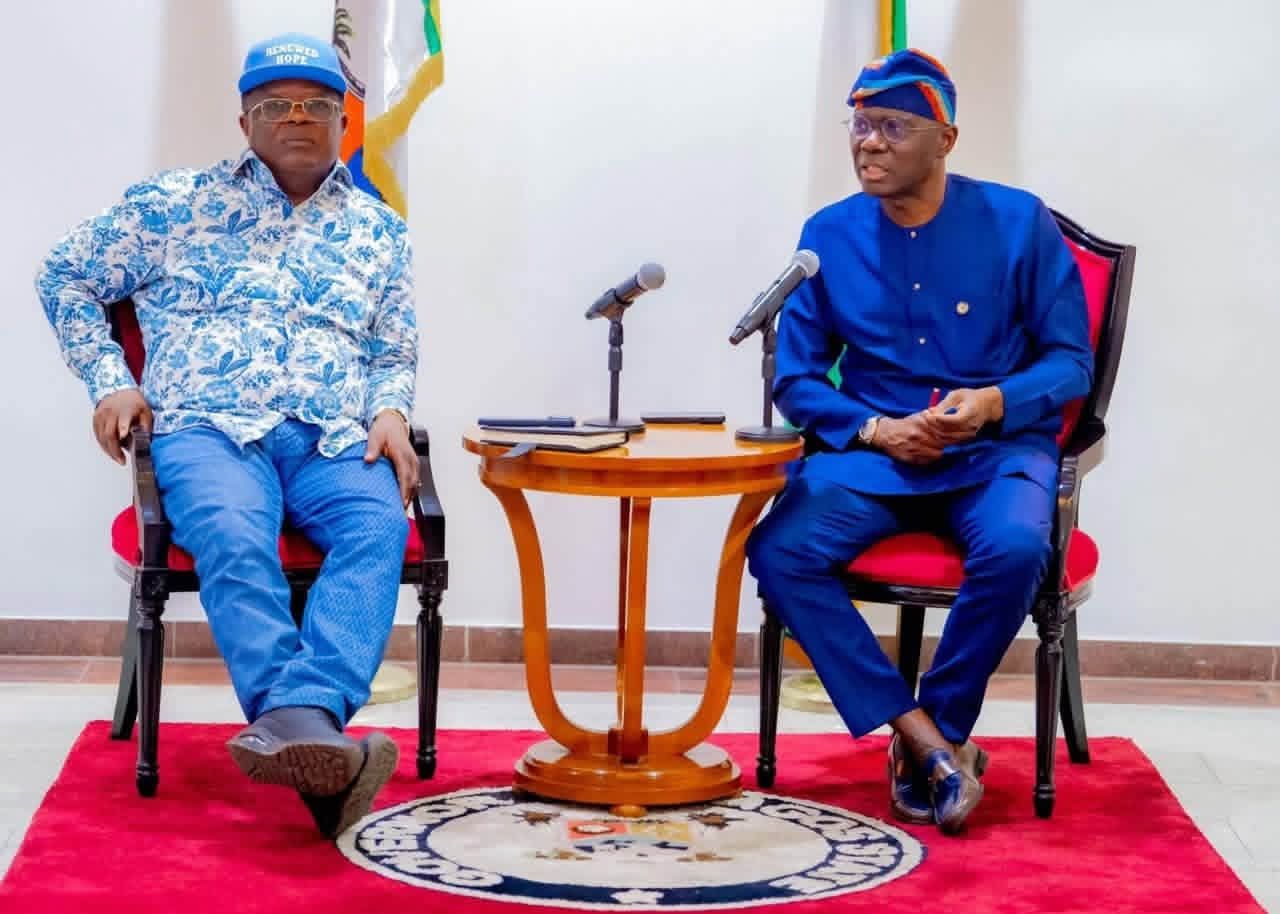
The position was made known on Tuesday during a courtesy visit by the Minister of Works, Sen. (Engr.) David Umahi, to Governor Babajide Sanwo-Olu at the Lagos House, Marina, alongside members of the National Assembly Committees on Works.

Governor Sanwo-Olu commended President Bola Ahmed Tinubu, the Minister of Works and the National Assembly for supporting what he described as a transformative infrastructure project that would boost economic growth and improve the quality of life of Nigerians.
Sanwo-Olu, in a statement after the meeting, said discussions centred on ensuring the state’s drainage plan works seamlessly with the ongoing Lagos-Calabar Coastal Highway project to tackle seasonal flooding effectively. He reaffirmed Lagos State’s commitment to strengthening collaboration with the Federal Government to deliver critical infrastructure needed to build a more connected and prosperous state.
The governor said the coastal highway, once dismissed by many as a mere political promise, had become a reality, with sections of the road already in use.
“Two years ago, it felt like it was just a political conversation, but today people are already using the road. We thank Mr. President for this landmark project. Lagos has been the first major beneficiary, and we are indeed grateful because it will enhance the quality of life of our people and improve the economy of the country,” he said.

Responding to reports linking the highway to recent flooding, Sanwo-Olu said such claims were misleading, explaining that Lagos, being a coastal city with about one-third of its land covered by water, would naturally experience seasonal flooding.
“Lagos is a coastal city. When people say Lagos has flooded, without mincing words, we will always experience some level of flooding. We only pray that it will not be severe. These are natural occurrences associated with coastal environments across the world,” the governor stated.
He noted that intense rainfall could temporarily overwhelm drainage channels regardless of their size, adding that floodwaters usually recede after some time. He blamed indiscriminate refuse disposal and blocked drainage channels for worsening flooding in many parts of the state.
According to him, the state government would continue enforcing environmental regulations, including its ban on styrofoam, while introducing additional measures to protect drainage infrastructure.
Sanwo-Olu also disclosed that Lagos had signed an agreement with a mechanised street-cleaning company that would deploy specialised six-lane sweeping machines to maintain the Lagos-Calabar Coastal Highway daily.
He stressed the need for service roads along the corridor to improve access for residents and businesses while protecting the integrity of the main carriageway, acknowledging that some structures might have to give way for the infrastructure.
Earlier, the Minister of Works, David Umahi, said President Bola Tinubu directed him to inspect the project with members of the National Assembly following widespread social media reports alleging that the highway caused flooding in Lagos.
He described the reports as false, noting that flooding had been recorded in several states of the federation and had been predicted in at least 22 states.
“We were concerned about the negative narrative on social media claiming that the Coastal Highway caused flooding in Lagos. The President directed us to come with members of the National Assembly to assess the situation ourselves,” Umahi said.
The minister explained that the highway was deliberately elevated to withstand ocean surges and protect the corridor from flooding for the next 20 to 30 years, stressing that the affected areas were naturally swampy long before construction commenced.
Umahi commended the Lagos State Government’s drainage master plan, particularly its policy of directing stormwater into the lagoons, revealing that more than 80 per cent of the drainage evacuation channels had already been completed.
He assured that the Federal Government would continue collaborating with the Lagos State Government, the Office of the Surveyor-General of the Federation and other stakeholders to deliver the Lagos-Calabar Coastal Highway to international standards.
The minister also disclosed plans to provide additional drainage channels, service roads, surveillance cameras, wind stations, parking facilities, tourism infrastructure and other modern amenities along the corridor, adding that strict development control would be enforced to preserve the integrity of the project.






#coastalhighway
… reposted this!