

By Adebola Muili
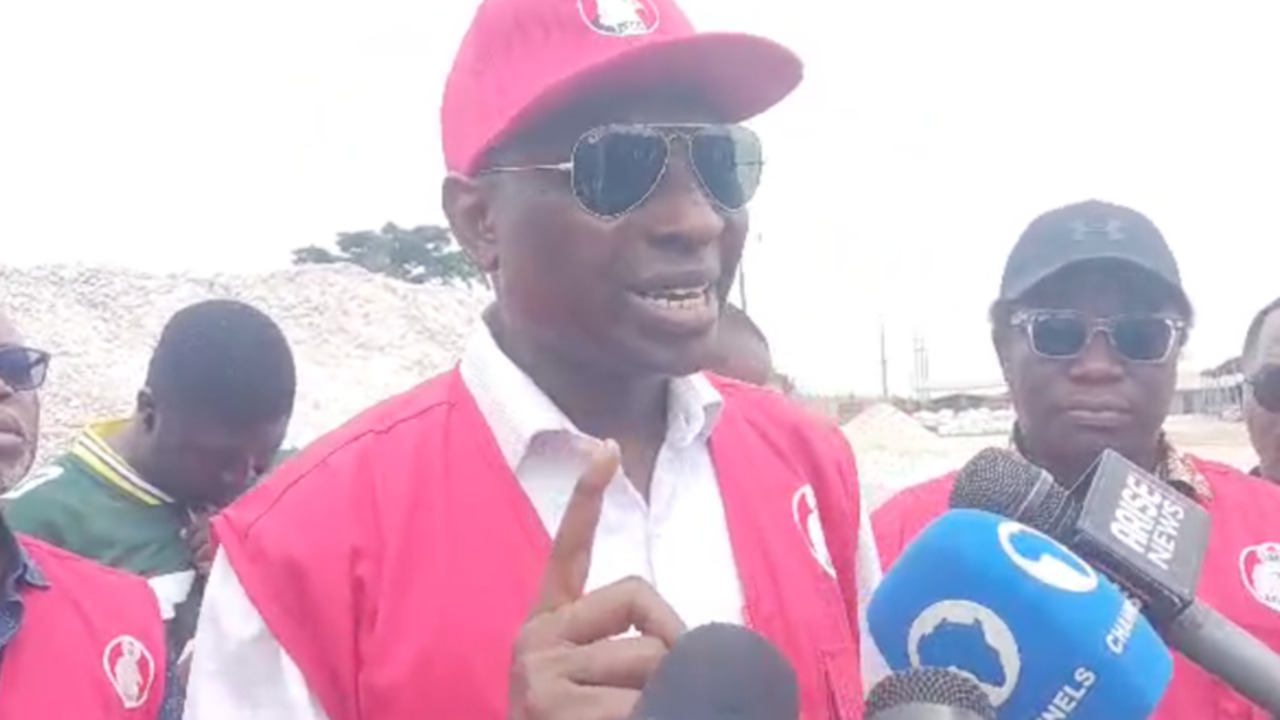
The Economic and Financial Crimes Commission (EFCC) has said it will seek the necessary court orders to preserve an alleged illegal industrial complex in Ogere, Ogun State, and engage legitimate, licensed operators to take over its facilities rather than allow them to be destroyed.
The EFCC Chairman, Ola Olukoyede, disclosed this on Saturday, November 7, 2026, during a tour of the complex, where he revealed the scale of industrial activities allegedly taking place in the area and explained the commission’s plan to ensure that the facilities could eventually contribute to the country’s economy.
Olukoyede said the commission would work with relevant regulatory agencies, licensed professionals and legitimate operators to determine how the facilities could be preserved and put to lawful use.
According to him, the EFCC does not intend to destroy the installations but would follow due legal process to secure them and ensure that their eventual operation complies with the law.
“We are going to ensure that all these things will not be destroyed. We are going to preserve them. We are going to bring in legitimate licensees to operate this, but we won’t do that without legal process,” he said.
The EFCC chairman explained that the decision was also informed by the need to protect Nigerian workers employed at the facilities, stressing that the commission did not want its enforcement action to result in the destruction of productive assets or the loss of jobs.

He said the commission would rather preserve the installations and make them available to qualified operators through lawful arrangements, adding that the approach would enable the government to recover value from the facilities while ensuring that economic activities were conducted within the law.
Olukoyede described the location as an illegal industrial zone, saying the commission had discovered several facilities engaged in different forms of industrial activities, including the alleged illegal refining of petroleum products, processing of high-value solid minerals such as lithium and wood processing for export.
He said the facilities were more extensive than initially anticipated, adding that the commission had so far inspected only some of the installations and would continue its examination of the area.
According to him, the industrial complex contained heavy equipment and machinery, while some of the facilities operated independently of the national electricity supply, generating their own power and maintaining round-the-clock operations.
The EFCC chairman also disclosed that operatives discovered a warehouse containing lithium batteries, telephone batteries and chargers, although the commission had yet to establish the purpose for which the items were being kept.

Another discovery that raised concern, he said, was a warehouse containing hundreds of motorcycles.
Olukoyede said the commission suspected that the motorcycles might have been intended for distribution to individuals providing security for illegal mining operations in remote locations.
He, however, acknowledged that the exact locations of the alleged mining sites and the intended recipients of the motorcycles had yet to be established.
He said the development raised possible national security concerns, particularly as the commission was still investigating the network behind the industrial operations and the movement of mineral resources.
The EFCC chairman further said the minerals being processed at the complex might have originated from different parts of the country, including the North-Central, North-West and South-West, but stressed that their actual sources had not yet been confirmed.

He said the commission was working to establish the supply chain, the individuals and interests behind the operations, as well as the extent of the alleged exploitation of the country’s natural resources.
Olukoyede disclosed that the operation had been code-named “Operation Sovereign Wealth”, explaining that its objective was to recover Nigeria’s wealth from individuals and groups allegedly exploiting the country’s resources for personal gain.
He said the commission acted on credible and actionable intelligence about the activities of foreign nationals allegedly involved in economic crimes in the area.
The chairman described the discoveries as extraordinary, saying he had never encountered a syndicate of such scale in the course of his career.
He added that the physical evidence available to the commission suggested that some of the activities might have been going on for years, describing the alleged exploitation as a serious assault on the country’s resources.

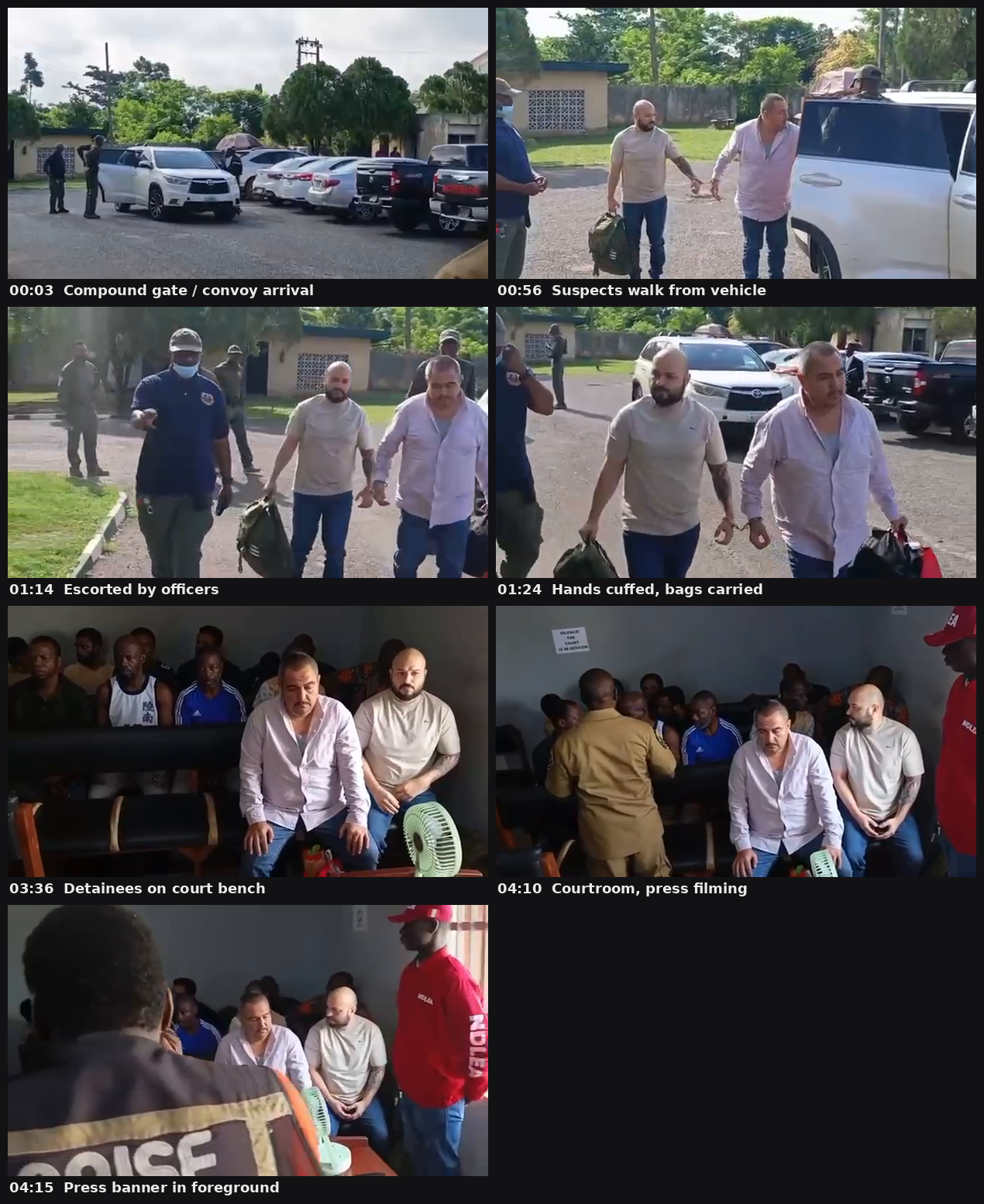
The latest discoveries followed the EFCC’s arrest of 15 suspects, comprising 14 Chinese nationals and one Nigerian, at four illegal lithium-processing plants in Ogere on October 23, 2026.
The arrests were made by operatives of the commission’s Lagos Zonal Directorate 2 following intelligence gathering and surveillance.
The commission had said the operation led to the recovery of bags of lithium rocks, 18 mobile phones, four laptops, two decoders, a television remote control and a trailer truck.
The EFCC subsequently disclosed the arrests in a statement published on its verified X account on Monday, October 26, adding that the suspects would be charged to court upon the conclusion of investigations.
The discovery of an illegal petroleum refinery in the area on October 31, 2026, was a separate development that preceded Olukoyede’s November 7 tour of the industrial complex.

During the visit, the EFCC chairman said the commission would continue inspecting the facilities to establish the full extent of the operations and identify other installations that might be connected to the alleged illegal activities.
He also appealed to Nigerians to report suspicious activities in their communities, warning that individuals exploiting the country’s natural resources could leave the country after making substantial gains, leaving the nation to bear the consequences.
Olukoyede expressed concern that some of the foreign nationals involved in such activities might also lack the necessary documents to reside and conduct business in Nigeria, although he did not present this as an established finding in the ongoing investigation.
He said the EFCC would continue working with relevant agencies to ensure that the facilities were secured, the alleged criminal activities were properly investigated and the country’s resources were protected.
The chairman maintained that the commission’s objective was not merely to shut down the illegal operations but also to ensure that the assets recovered through enforcement could be preserved and redirected towards legitimate economic activities.
Discover more from SAFARI XPRESS NEWS
Subscribe to get the latest posts sent to your email.




Leave a Reply