

By Adebola Muili
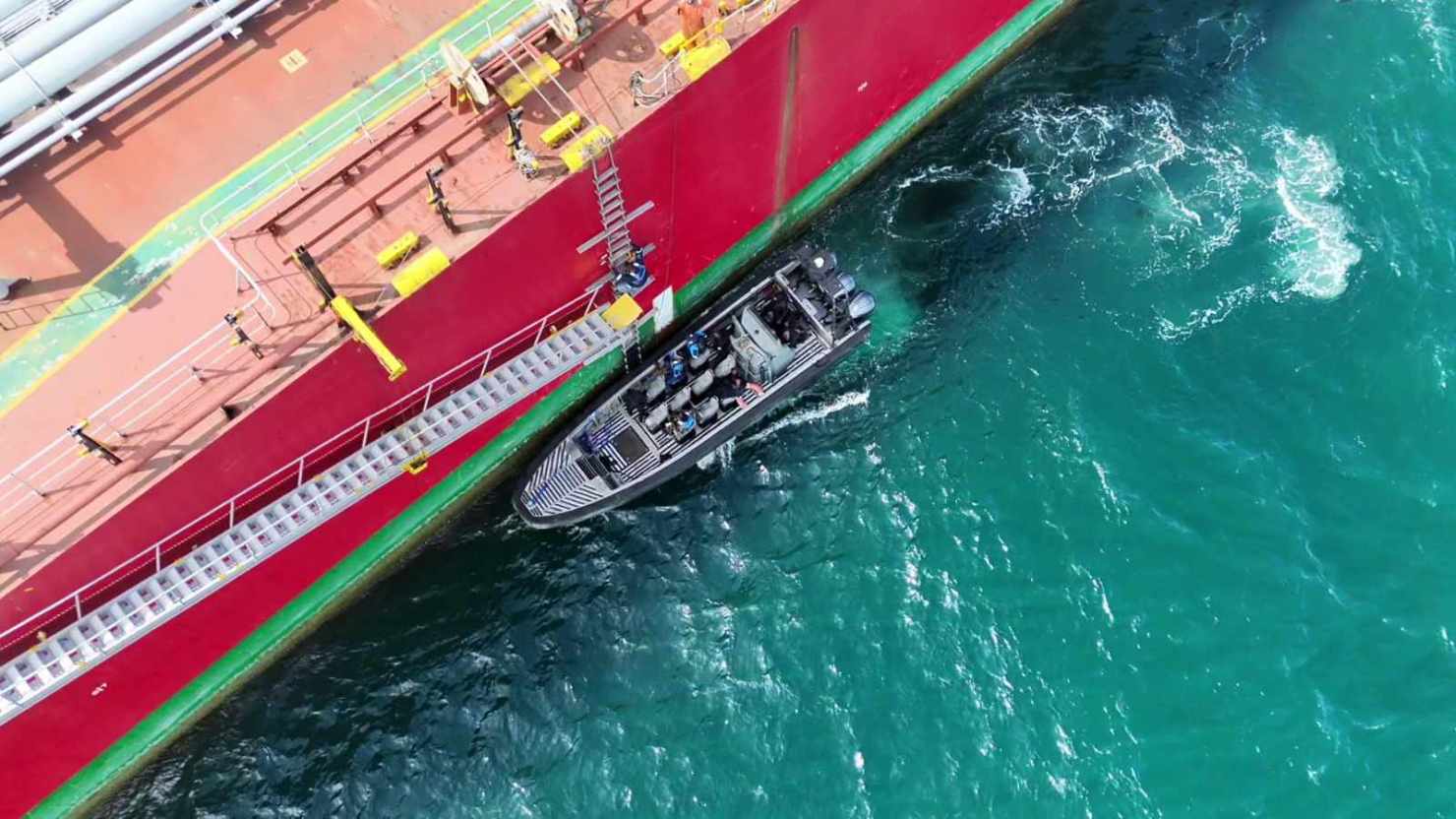
The Nigerian Maritime Administration and Safety Agency (NIMASA) has confirmed the detention of two vessels, MT Holmes and MT Sabeak, for violating Nigeria’s coastal shipping regulations during an enforcement operation in Lagos.
The agency disclosed this in a statement issued by its Deputy Director and Head of Public Relations, Osagie Edward, on Thursday, October 22, 2026, clarifying an earlier announcement that had incorrectly listed three other vessels among those detained.
NIMASA explained that MT FUJAIRAH ENERGY, JS GRATITUDE and MT BORA were not detained because they complied with the Coastal and Inland Shipping (Cabotage) Act and other applicable maritime regulations.
The agency apologised for the confusion caused by the earlier statement and regretted the inconvenience it had caused the affected vessels and their owners.
The enforcement operation, codenamed Operation Sea Guardian, was conducted to strengthen compliance with maritime regulations, verify cabotage obligations and assess the payment of applicable surcharges and levies.
According to NIMASA, the exercise involved the deployment of assets from the Deep Blue Project to track, board and inspect vessels identified through intelligence reports and compliance indicators.
The operation also involved collaboration between NIMASA enforcement personnel, the Nigerian Navy, the Maritime Guard Command and C4i intelligence personnel.
The agency said the coordinated exercise was part of efforts to ensure that vessels operating in Nigerian waters complied with the country’s maritime laws.
NIMASA Director-General, Dr Dayo Mobereola, had earlier warned that the agency would intensify enforcement activities to promote indigenous participation in coastal and inland shipping.
He urged maritime operators to comply fully with the law, warning that defaulters would face stiff sanctions in line with existing regulations.
The enforcement drive followed a marine notice issued by NIMASA on August 26, 2026, reminding stakeholders of the conditions governing participation in Nigeria’s cabotage trade.
The notice warned that vessels, companies, operators, charterers and other stakeholders found to be violating the Cabotage Act or other applicable requirements would face enforcement action.
Nigeria’s cabotage regime is designed to promote indigenous participation in domestic maritime transportation and strengthen the capacity of local operators in the coastal shipping industry.
Discover more from SAFARI XPRESS NEWS
Subscribe to get the latest posts sent to your email.








Leave a Reply