


Over 660 cases, 167 deaths recorded nationwide as government strengthens surveillance
By Adebola Isimijola, Lagos
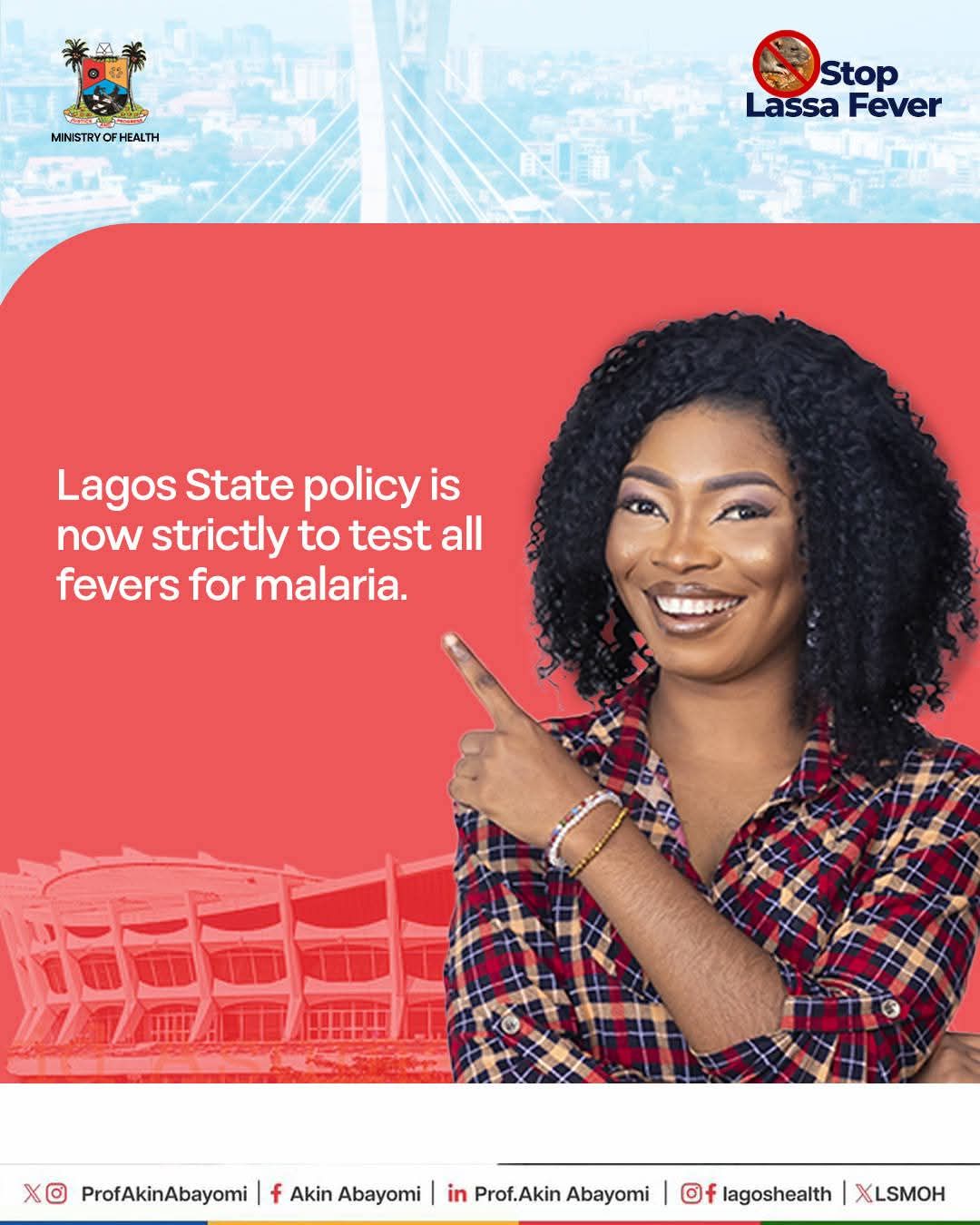
The Lagos State Government has issued a strong public health alert on Lassa fever and commenced a statewide awareness and prevention campaign following a rise in confirmed cases and deaths across the country.
The alert comes amid worsening national statistics, with health authorities confirming over 660 cases and 167 deaths recorded between January and mid-March 2026 across multiple states.
The Commissioner for Health, Prof. Akin Abayomi, who announced the development, described the situation as a serious public health concern requiring urgent and coordinated intervention at all levels of government.

He disclosed that the outbreak has spread to 22 states and 93 local government areas, warning that the pattern reflects increasing transmission risks and the need for heightened vigilance.
According to him, an alarming aspect of the current outbreak is the rising infection rate among healthcare workers, noting that at least 38 health personnel have been infected, while three medical doctors have died since the beginning of the year.
Prof. Abayomi said the development underscores the danger frontline health workers face during outbreaks and the critical importance of strict adherence to infection prevention and control protocols.
He explained that Lassa fever is a viral haemorrhagic disease transmitted mainly through contact with infected rodents, contaminated food, or person-to-person exposure, particularly in healthcare settings where protective measures are weak.
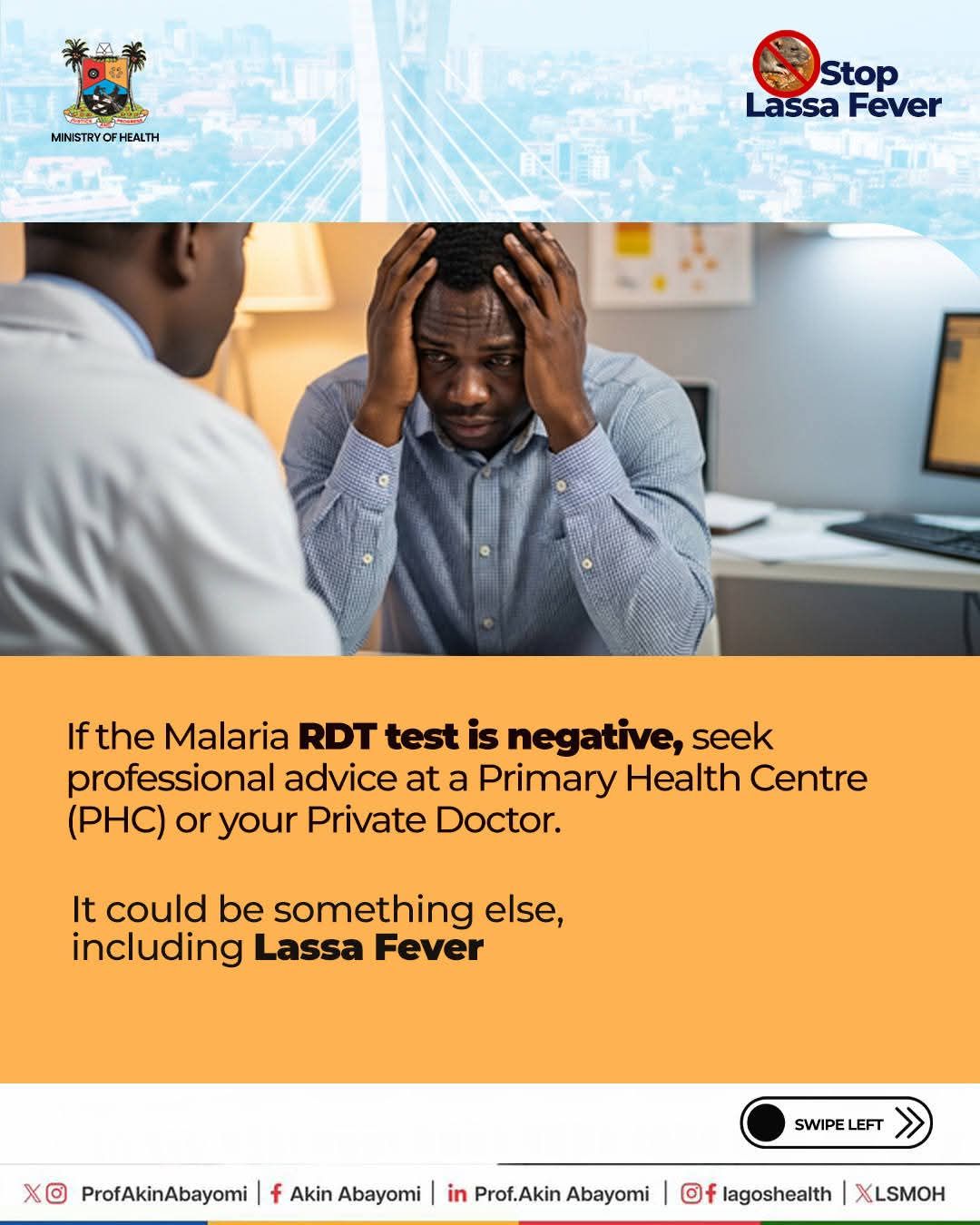
Although Lagos is not classified as an endemic state, the Commissioner warned that its high population density and constant movement of people significantly increase the risk of rapid disease spread if not properly contained.
He referenced the state’s experience during previous public health emergencies, noting that Lagos remains vulnerable due to its status as Nigeria’s commercial and travel hub.
Prof. Abayomi also noted emerging evidence suggesting that Lassa fever transmission is no longer strictly seasonal, attributing the trend to environmental changes, deforestation, and increased human interaction with rodent habitats.
He added that a significant proportion of infected persons may show mild or no symptoms, making early detection difficult and increasing the risk of unnoticed community transmission.
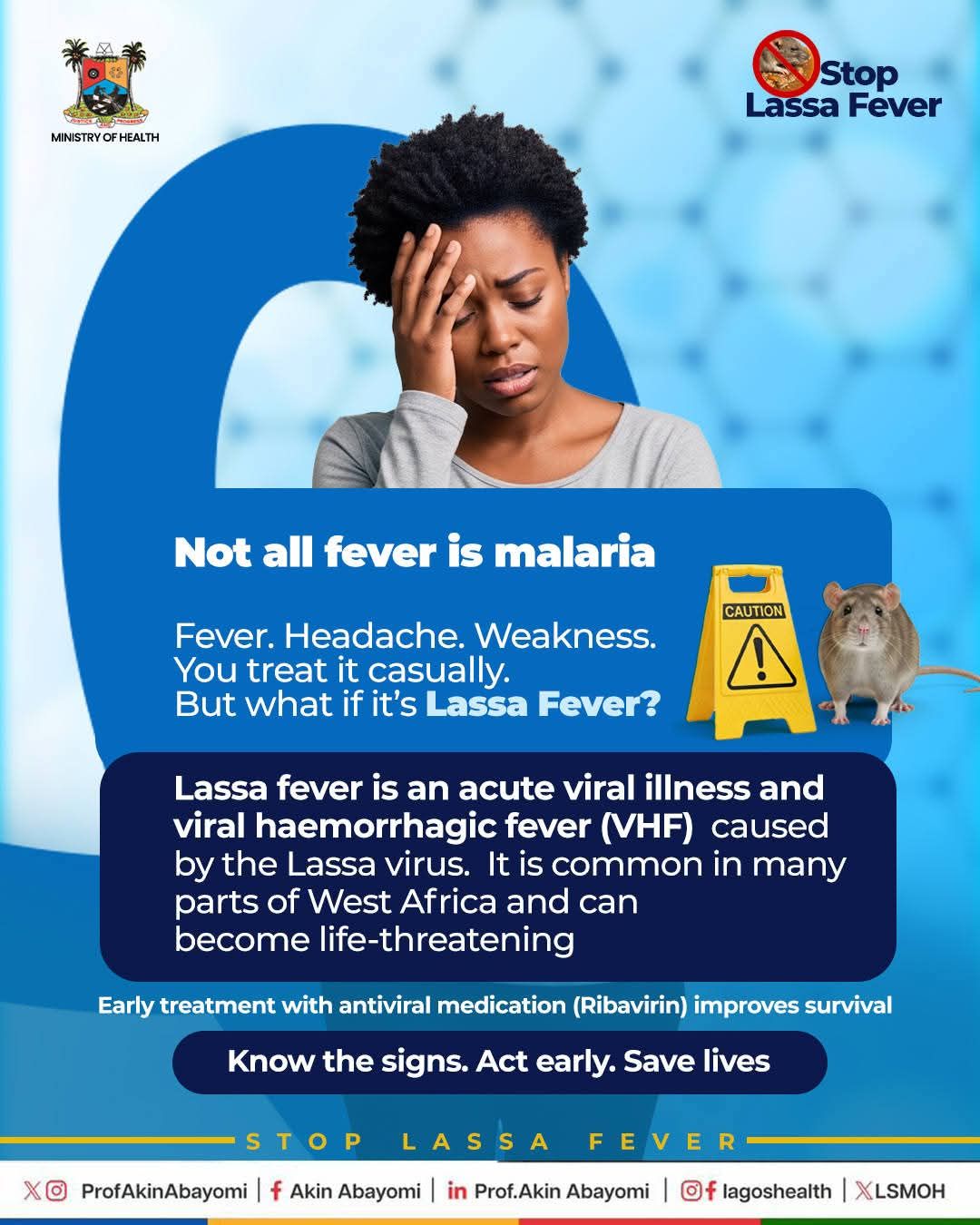
The Commissioner further warned that a fraction of symptomatic cases can develop severe complications, which may become fatal if treatment is delayed.
He classified Lassa fever alongside other high-consequence viral infections such as Ebola and Marburg disease, stressing the potential of such pathogens to strain health systems if not adequately contained.
To strengthen preparedness, Prof. Abayomi said Lagos State has activated enhanced surveillance systems, a 24-hour emergency response structure, digital tracking tools, and continuous training programmes for healthcare workers across facilities.

He maintained that preparedness is a proactive strategy rather than a reaction to outbreaks, adding that early detection, isolation, and treatment remain key to controlling the disease.
He urged residents to remain calm but vigilant, assuring that the state is working with the Nigeria Centre for Disease Control and Prevention, the Federal Ministry of Health, and key health partners to strengthen response coordination.
The ongoing awareness campaign will focus on public education, improved infection control practices in health facilities, and community sensitisation aimed at reducing exposure risks and improving early reporting of symptoms.
SAFARI NEWSFEED MART





Leave a Reply