


By Adebola Muili
Promasidor Nigeria Limited’s investment in Ikun Dairy Farm, Ekiti State, has generated more than 1,200 direct and indirect employment opportunities, underscoring the economic potential of private sector investment in Nigeria’s agricultural and livestock industry.
The facility, which provides over 200 direct jobs and supports more than 1,000 indirect employment opportunities, has also expanded local milk production, strengthened cattle breeding and created opportunities for farmers through the sale of improved cattle breeds.
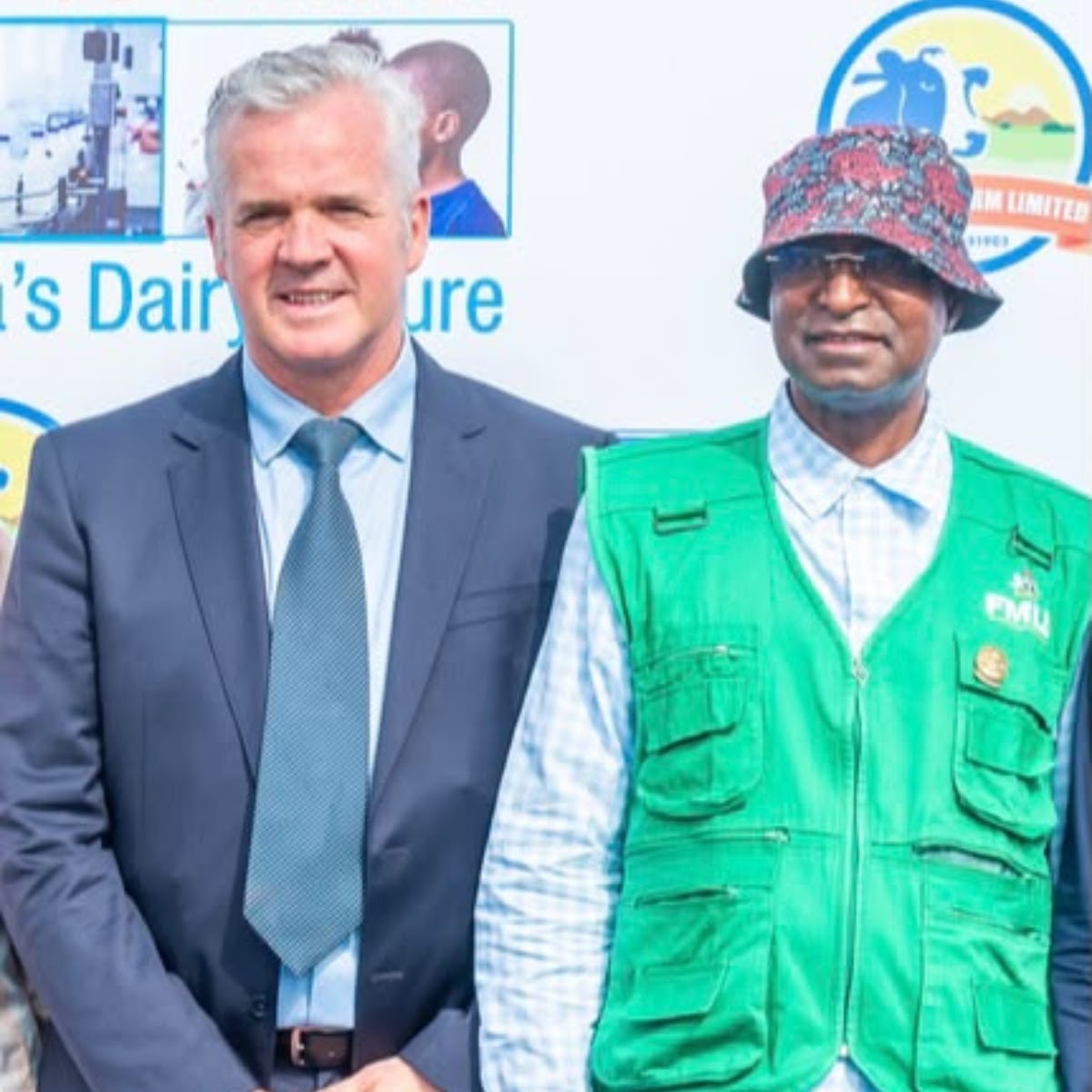
These developments came into focus during a working visit to the farm by the Minister of Livestock Development, Idi Mukhtar Maiha, on Wednesday, November 4, 2026, where he commended the partnership between Promasidor and the Ekiti State Government.
The Minister noted that Nigeria spends approximately $1.5 billion annually on dairy imports, stressing the need to expand domestic production capacity and reduce the country’s dependence on foreign supplies.
Originally established in 1983, Ikun Dairy Farm remained underutilised for several years before Promasidor entered into a partnership with the Ekiti State Government in 2019 to revive and develop the facility.
The partnership, backed by an initial investment of $5 million by Promasidor, has transformed the farm into an integrated agricultural operation covering more than 500 hectares, housing over 700 cattle and producing more than 6,000 litres of fresh milk daily.
Beyond its contribution to employment and milk production, the farm is making progress in local cattle breeding, with its Group Finance Director and Chairman, Yomi Adexson, disclosing that more than 160 pregnant heifers had been sold to farmers this year.
He explained that the initiative was helping to extend the benefits of the farm’s breeding programme beyond the facility and strengthen the capacity of other farmers to participate in dairy production.
Adexson, however, recalled that the farm encountered significant challenges during its early operations, including the loss of approximately 185 imported cattle due to difficulties adapting to local environmental conditions.
He said sustained investment in breeding and animal management had enabled the development of successive generations of cattle better suited to the Nigerian environment.
The farm has also integrated the cultivation of maize, soybean and cassava to support animal feed production, while investing in animal healthcare and improved farm management to enhance productivity.
The Chief Executive Officer of Promasidor Nigeria Limited, Francois Gillet, said developing a sustainable dairy industry required long-term investment, technical expertise and collaboration among stakeholders.
He identified local breeding capacity, farmer development and adaptation to environmental conditions as essential factors in building a productive and resilient dairy sector.
Also speaking during the visit, the Ekiti State Governor’s Chief of Staff, Oyeniyi Adebayo, who represented the governor, reaffirmed the state’s commitment to developing an integrated agricultural value chain that connects crop production with livestock development.
Adebayo also highlighted the commissioning of a modern veterinary clinic to strengthen animal healthcare and improve livestock productivity across the state.
The farm’s contribution to its host community also includes a weekly Ikun Milk Day programme, through which fresh milk is distributed to primary school pupils. The initiative has received appreciation from local school authorities for its positive contribution to the pupils and the wider community.
As Nigeria seeks to reduce its dependence on imported dairy products, the Ikun project highlights the economic opportunities associated with investment in domestic agricultural production, particularly in employment generation, livestock development and local supply chains.
However, achieving national dairy self-sufficiency will require sustained investment in milk processing, cold-chain infrastructure and support for local farmers to ensure that increased production translates into a stronger and more competitive dairy industry.
Discover more from SAFARI XPRESS NEWS
Subscribe to get the latest posts sent to your email.











Leave a Reply