

By Adebola Isimijola, Lagos
The Federal Government has approved a new National Textbook Ranking System (NTRS), directing that only nationally evaluated, ranked and approved textbooks will be used in public primary, junior secondary and senior secondary schools across the country from September 2026.
The policy, which is expected to improve the quality of teaching and learning, will also ensure that only textbooks meeting prescribed academic and quality standards are deployed in public schools nationwide.
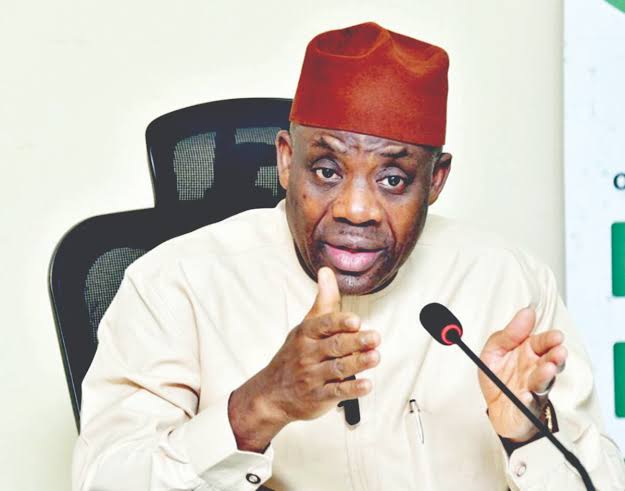
Announcing the decision in Abuja on Wednesday, the Minister of Education, Maruf Tunji Alausa, said the initiative would introduce a transparent and merit-based process for selecting instructional materials while aligning Nigeria’s textbook approval system with international best practices.
According to a statement issued by the Director of Press and Public Relations of the Federal Ministry of Education, Boriowo Folasade, the minister said the new framework would strengthen curriculum implementation, improve learning outcomes, promote equitable access to quality instructional materials and eliminate the proliferation of substandard textbooks.
Alausa explained that the ministry had constituted a National Textbook Ranking and Selection Committee made up of representatives of relevant education agencies and experts to oversee the process.
He said the committee would work with the Nigerian Educational Research and Development Council (NERDC) to evaluate only textbooks that had met the council’s licensing requirements before recommending the highest-ranked titles for approval.
The minister, however, stressed that NERDC licensing alone would no longer qualify a textbook for classroom use.
“Every licensed textbook must undergo a rigorous national evaluation and ranking process, attain a minimum score of 70 per cent and satisfy prescribed academic, pedagogical, technical and quality assurance standards before it can be approved,” he said.
He added that only the best-performing textbooks would be adopted, with approved titles for each subject limited to between six and 10, depending on curriculum requirements.
In a move aimed at easing the burden on publishers and authors, Alausa announced a reduction in assessment and ranking fees. He said the assessment fee had been reduced from ₦2,000 to ₦1,500 per page, while the ranking fee had been cut from ₦1 million to ₦750,000 per title.
The minister also disclosed that publishers who had previously paid the old rates would be refunded the excess payments, with the reimbursement process to be communicated by NERDC.
He said approved textbooks under the National Textbook Ranking System would remain valid for a minimum of three years to ensure stability in curriculum delivery.
Alausa warned that schools, publishers and other stakeholders must comply fully with the new policy, noting that the use of unapproved textbooks from September 2026 would attract sanctions, including the blacklisting of defaulting authors, publishers and schools.
The minister reaffirmed the Federal Government’s commitment to improving educational standards by providing Nigerian learners with quality instructional materials that would enhance teaching, learning and overall educational outcomes.
Discover more from SAFARI XPRESS NEWS
Subscribe to get the latest posts sent to your email.








Leave a Reply