

By Adebola Isimijola, Lagos
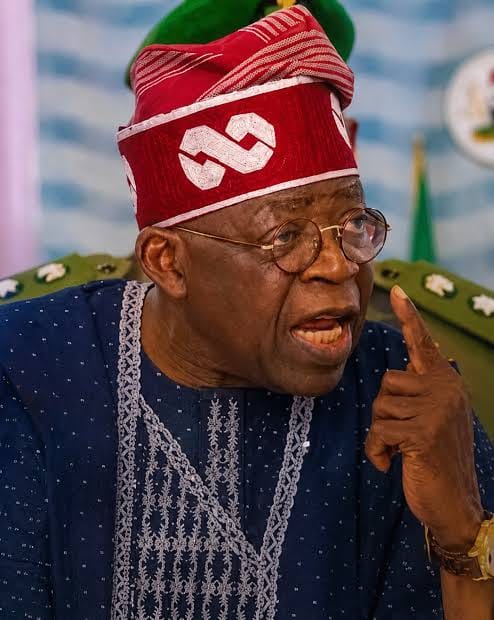
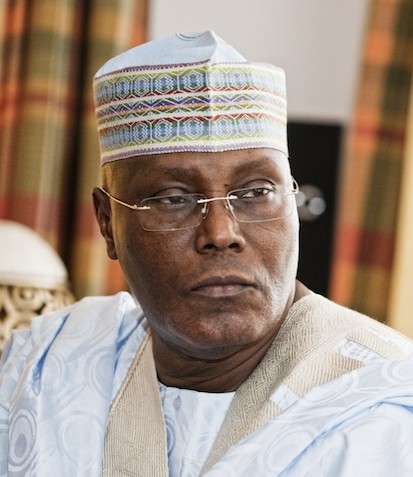
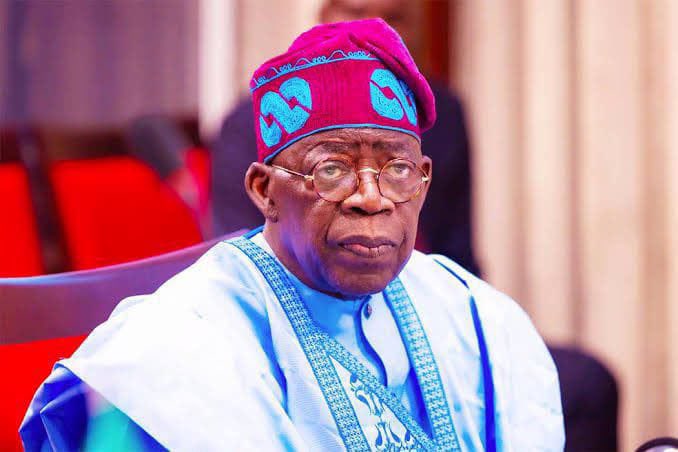
The Presidency has dismissed former Vice President Atiku Abubakar’s criticism of President Bola Tinubu’s economic policies, insisting that the administration’s reforms are repositioning Nigeria’s economy and should not be judged solely by the challenges experienced at the onset of their implementation.
The rebuttal was contained in a State House statement issued on August 2, 2026, by the Special Adviser to the President on Information and Strategy, Bayo Onanuga, who said Atiku’s criticisms were based on outdated economic data and failed to reflect the progress recorded since the reforms commenced.
According to Onanuga, the Tinubu administration introduced difficult but necessary measures, including the removal of fuel subsidy, exchange-rate reforms and tax reforms, to address long-standing structural distortions in the economy.
“The reforms were never advertised as painless. They were presented as necessary structural adjustments intended to correct long-standing distortions,” he said.
The Presidency maintained that Nigeria’s economy had improved significantly since the initial reforms, noting that the country’s debt profile remained sustainable, with a debt-to-GDP ratio of about 40 per cent and an improved debt service-to-revenue ratio of less than 60 per cent.
It also defended the removal of fuel subsidy, saying the policy had increased allocations to states and local governments, enabling greater investment in infrastructure, healthcare, education and other social services.
On the ongoing tax reforms, the Presidency said the objective was to create a fairer tax system by reducing the burden on low-income earners and small businesses while ensuring higher-income individuals and profitable companies fulfilled their tax obligations.
Onanuga also highlighted what he described as key achievements of the administration in healthcare, education and infrastructure, including the revitalisation of more than 3,000 primary healthcare centres, retraining of over 78,000 frontline health workers, expansion of cancer treatment centres and the disbursement of over ₦303 billion in student loans through the Nigerian Education Loan Fund.
The Presidency further rejected Atiku’s claim of a ₦7.98 trillion oil windfall, describing the figure as inaccurate and explaining that lower crude oil production and existing crude oil commitments had offset gains from higher international oil prices.
While acknowledging that the reforms had imposed short-term hardships on Nigerians, Onanuga maintained that they were laying a solid foundation for sustainable economic growth, improved revenue generation and long-term national development, stressing that the administration remained committed to expanding economic opportunities and improving the standard of living of Nigerians.
Discover more from SAFARI XPRESS NEWS
Subscribe to get the latest posts sent to your email.









Leave a Reply