


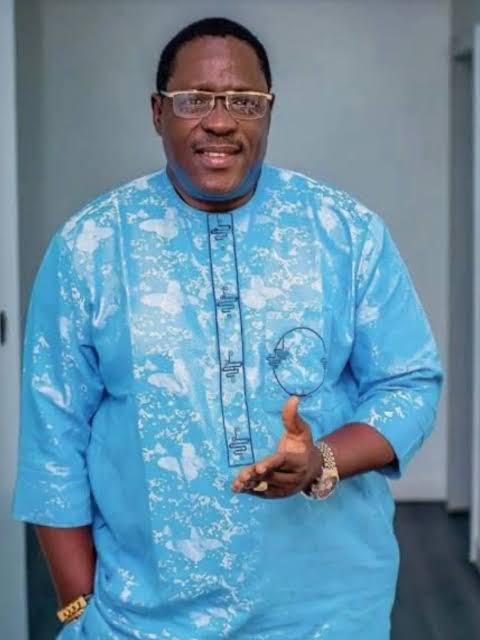
The death of veteran Yoruba actor, Taiwo Hassan, popularly known as Ogogo, at 66 has once again cast a sombre shadow over Nigeria’s entertainment industry and revived an uncomfortable question: who takes care of the people who built Nollywood when they can no longer take care of themselves?
Ogogo’s death on Sunday, August 23, 2026, following a battle with cancer, came barely days after his family disclosed his deteriorating health and sought urgent medical assistance. His passing is another painful reminder that fame and public admiration do not necessarily translate into adequate healthcare, financial security or welfare for Nigeria’s creative workers.
This is the real tragedy behind Nollywood’s growing roll call of departed stars.
For decades, actors, producers, directors and other practitioners have worked under difficult conditions to build an industry that has become one of Nigeria’s most powerful cultural exports. They have entertained millions, preserved indigenous languages and traditions, projected Nigerian stories globally and contributed significantly to the creative economy.
Yet, when sickness strikes, the applause often disappears.
The recent experience of Ogogo is instructive. In 2025, the actor spoke about overcoming a seven-year battle with chronic ulcer. He had survived that prolonged health challenge, but was later confronted with another serious illness that eventually claimed his life.
The lesson is unmistakable: surviving one health crisis should not depend solely on personal resilience, family intervention or the generosity of colleagues and members of the public.
Who, then, will save the industry’s living legends?
Certainly, the responsibility cannot rest entirely on their families.
Government must take a leading role. The Federal Government, through the ministries and agencies responsible for culture, creative economy and social development, should develop a structured welfare framework for ageing and vulnerable entertainment practitioners.
Such a framework should include affordable health insurance, emergency medical intervention, welfare funds and other forms of social protection for practitioners who have spent decades contributing to the nation’s cultural and creative development.
The industry itself must also look inward.
Nollywood has several guilds, associations and professional bodies representing different categories of practitioners. These organisations should not exist principally for elections, awards, meetings and professional recognition. They must also provide practical safety nets for their members.
A properly managed industry-wide welfare and emergency medical fund, supported by regular contributions and transparent administration, could make a significant difference when a member is struck by a life-threatening illness.
Corporate Nigeria also has a role to play.
Banks, insurance companies, telecommunications firms, hospitals and other major businesses that have benefited from the enormous reach of Nollywood should consider long-term partnerships that provide healthcare, insurance and welfare support for veterans of the industry.
But the practitioners themselves must equally begin planning for the future.
The glamour of entertainment can easily create the illusion that fame will last forever. It will not. Every successful actor eventually grows older, and every career eventually comes to an end. Financial planning, insurance and investment in sustainable sources of income should therefore become an integral part of an entertainer’s career.
Most importantly, Nigeria must change the culture of celebrating its heroes only after their deaths.
Too often, the death of a veteran produces an impressive wave of tributes. Colleagues recall their contributions, politicians issue condolence messages, fans flood social media with photographs, and the media revisits their careers.
But by then, it is too late.
The more meaningful tribute is to ensure that living veterans are not abandoned to struggle with illness, poverty and neglect after spending their productive years entertaining and serving the nation.
Ogogo’s death should therefore be more than another occasion for mourning.
It should compel government, Nollywood’s professional bodies, corporate Nigeria and the practitioners themselves to confront the uncomfortable question of what happens to the industry’s living legends.
Who will save them?
If Nigeria truly values its creative industry, the answer cannot be: wait until they die, then celebrate them.
The answer must be a sustainable system that protects them while they are alive.
That is the responsibility Nigeria owes those who gave Nollywood its voice.
Discover more from SAFARI XPRESS NEWS
Subscribe to get the latest posts sent to your email.

Leave a Reply