

By Adebola Muili
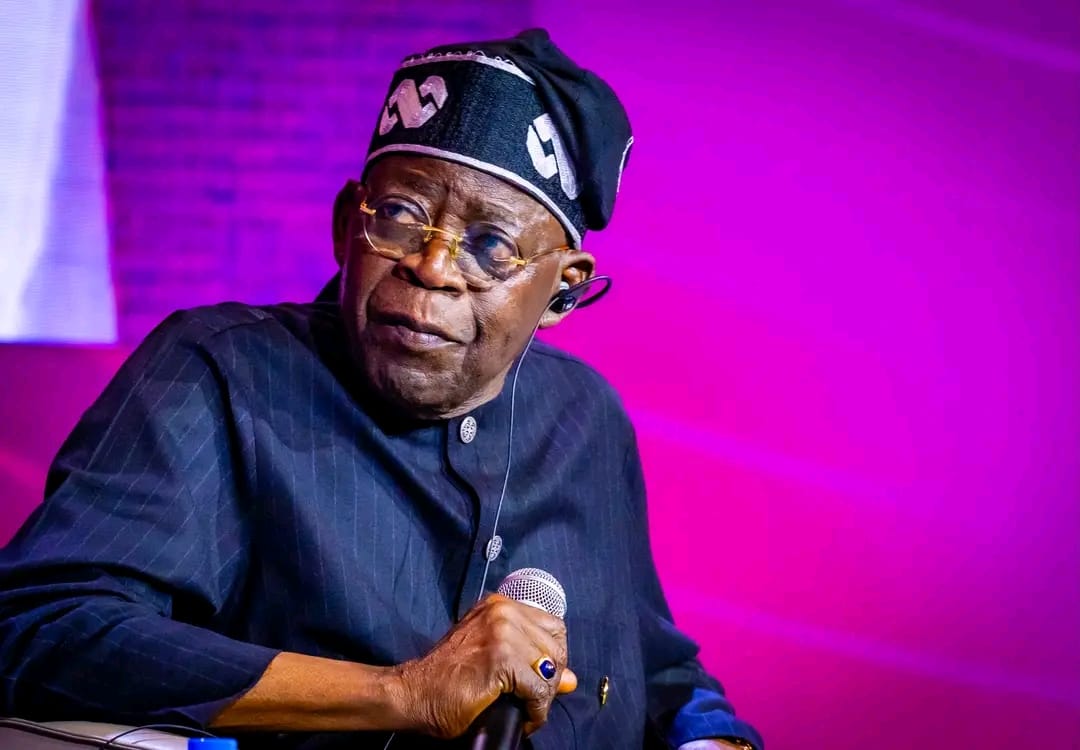
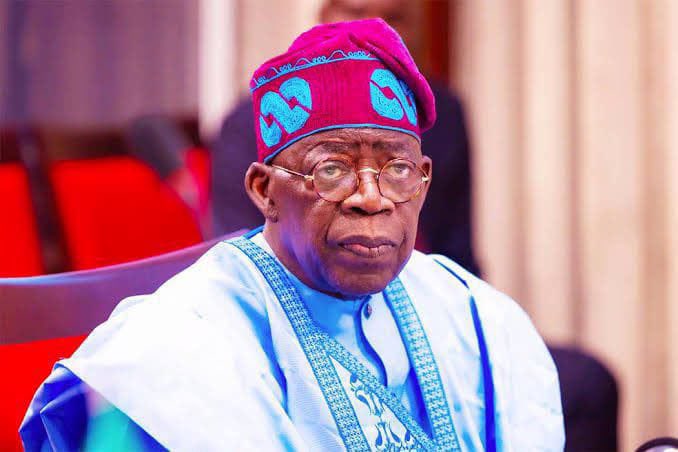
President Bola Ahmed Tinubu has demanded at least two permanent seats for Africa on the United Nations Security Council, with full rights and responsibilities including veto power for as long as the veto remains in existence.
Tinubu made the demand on Thursday, September 24, 2026, in Nigeria’s address to the general debate of the 81st session of the United Nations General Assembly, delivered on his behalf by Vice President Kashim Shettima.
The President said the structure of the Security Council must reflect the realities of the contemporary world, arguing that Africa could no longer continue to play a major role in global peace and security while remaining excluded from permanent membership of the Council.
“Africa cannot continue to fill the Council’s agenda while remaining absent from its permanent membership,” Tinubu said.
He said Nigeria’s demand was consistent with the Ezulwini Consensus and the Sirte Declaration, which provide the framework for Africa’s position on reform of the UN Security Council.
Nigeria, according to the President, is also calling for five non-permanent African seats on the Council.
Tinubu said Nigeria was ready to assume greater responsibility in international peace and security, citing its contributions to peacekeeping and conflict-resolution efforts in Liberia, Sierra Leone, Darfur, Mali and The Gambia.
He also highlighted Nigeria’s role through the Economic Community of West African States, African Union and Gulf of Guinea partnerships in advancing mediation, democratic governance, counter-terrorism and maritime security.
On the global economy, the President said Nigeria’s economic reforms were focused on sound macroeconomic management, stronger institutions, private-sector development and strategic public investment.
He called for reform of the international financial architecture, arguing that developing countries need wider access to concessional financing and debt sustainability frameworks that take their developmental needs into consideration.
According to him, many developing nations are spending substantial portions of their resources servicing debts that could otherwise be deployed to education, healthcare and infrastructure.
Tinubu also advocated greater use of private capital, blended finance, South-South cooperation and strategic partnerships to support sustainable development, climate adaptation and resilient infrastructure.

On climate change, the President rejected what he described as a false choice between economic development and climate action.
He said developing countries must be allowed to industrialise, eradicate poverty and expand energy access through low-carbon pathways supported by technology transfer, capacity building and climate finance.
Tinubu noted that Africa contributes less than four per cent of global greenhouse gas emissions but bears disproportionate consequences of climate change.
He reaffirmed Nigeria’s commitment to the Paris Agreement and its target of achieving net-zero emissions by 2060.
According to him, Nigeria’s energy transition strategy combines renewable energy, clean cooking, gas as a transitional fuel, climate-smart agriculture and nature-based solutions.
He called for international climate-finance commitments to be translated into accessible, predictable and adequately funded mechanisms for developing countries.
On artificial intelligence, Tinubu urged the international community to ensure that emerging technologies are deployed to advance humanity rather than deepen conflict.
“We can deploy artificial intelligence to wage war or use it to transform healthcare, education, agriculture, governance and economic productivity,” he said.
He said Nigeria was investing in digital public infrastructure, broadband connectivity, innovation ecosystems, research institutions and technology entrepreneurship.
Tinubu also invited international partners to work with Nigeria’s young population to harness technology and artificial intelligence for development.
The President described the African Continental Free Trade Area as one of the continent’s most significant opportunities to strengthen regional value chains, expand intra-African trade, promote industrialisation and attract investment.
He said Africa must move beyond its historical dependence on raw-material exports by increasing value addition, manufacturing, technological innovation and knowledge-driven growth.
On security, Tinubu said terrorism, organised crime, cyberattacks and illicit finance had become increasingly transnational, making stronger international cooperation necessary.
He said Nigeria’s prolonged fight against Boko Haram, ISWAP and other armed groups had demonstrated that military operations alone could not guarantee lasting peace.
“Development cannot take root where violence repeatedly uproots livelihoods, and peace cannot endure where injustice and exclusion replenish the ranks of those who threaten it,” he said.

Tinubu called for increased intelligence sharing, stronger institutional capacity and coordinated efforts to disrupt terrorist financing and prevent the movement of illicit weapons across borders.
He cited instability in the Sahel as evidence of how insecurity in one territory could threaten neighbouring countries, displace populations, disrupt commerce and undermine democratic governance.
The President also called for urgent diplomatic efforts to resolve the conflict in Sudan and other crises around the world.
He urged all parties to conflicts to respect international humanitarian and human rights law, protect civilians and facilitate humanitarian access.
Tinubu maintained that lasting peace could not be achieved through military victories alone, stressing the importance of dialogue, reconciliation, inclusive political processes, mediation, peacebuilding and sustainable development.
He urged the United Nations to devote greater resources and political attention to conflict prevention.
Turning to Africa’s future, Tinubu said the continent’s youthful population, natural resources, expanding markets and growing capacity for innovation positioned it to play a major role in global economic growth.
He said developing countries should be treated as indispensable partners in addressing global challenges rather than merely as recipients of international assistance.
The President called for a United Nations that could adapt to changing global realities and respond more effectively to the aspirations of present and future generations.
“Nigeria pledges to choose cooperation over confrontation, dialogue over division, hope over fear and partnership over isolation,” Tinubu said.
He maintained that restoring trust in the multilateral system would require nations to honour their obligations to one another and manage global changes with justice, wisdom and compassion.
Tinubu urged world leaders to work towards a reformed, inclusive and effective United Nations, stressing that cooperation remained essential to building a peaceful, just and sustainable world.
Discover more from SAFARI XPRESS NEWS
Subscribe to get the latest posts sent to your email.



Leave a Reply